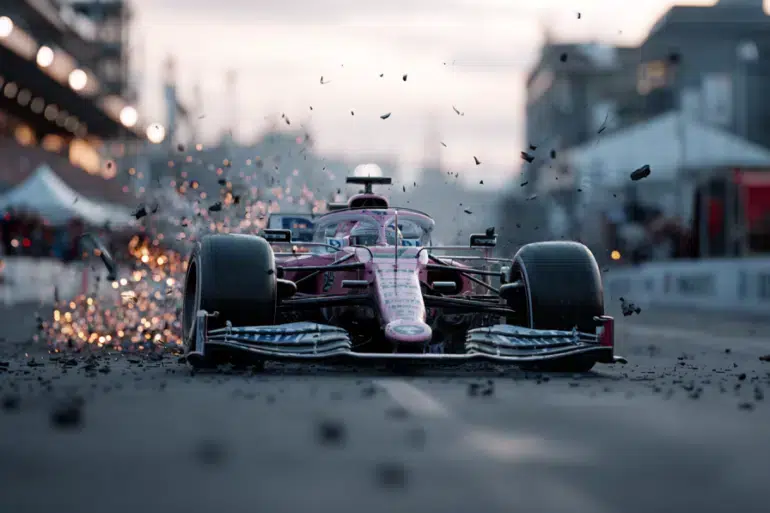


The executive director of Aston Martin shares his insights on how the 2026 aerodynamic rules will transform Formula 1.
F1 is gearing up for a massive technical revolution with the new regulations coming in 2026. These changes focus on the aerodynamic rules for the single-seaters, and Aston Martin has already been studying the impact. Apparently, they will deeply alter the look and behavior of the cars.
The return of the flat floor and the end of a baffling phenomenon
According to Aston Martin’s analysis, one of the most significant changes in the aerodynamic rules is the return of the flat floor. The underbody tunnels, which generated ground effect and caused the notorious porpoising phenomenon, will be scrapped. This move aims to make the cars more predictable and less tricky for the drivers. The goal is to improve stability and make overtaking easier.

The website Formula1 noted that teams will need to work hard to hit the target of 30 kg lighter cars while also improving safety. That’s another key requirement of the aerodynamic rules reviewed by Aston Martin. To achieve this, they will turn to “exotic” materials like titanium or even 3D-printed aluminum alloys.
The FIA released its guidelines in December. This then gave teams the green light to begin wind tunnel and CFD work starting January 2. These new rules represent a unique opportunity for every team on the grid.
The impact of the aerodynamic rules on Aston Martin
The most exciting innovation is the introduction of active aerodynamics. That technology was once banned from the world of F1, but it is making a comeback in 2026. Both the front and rear wings will be able to adjust in real time to optimize performance.
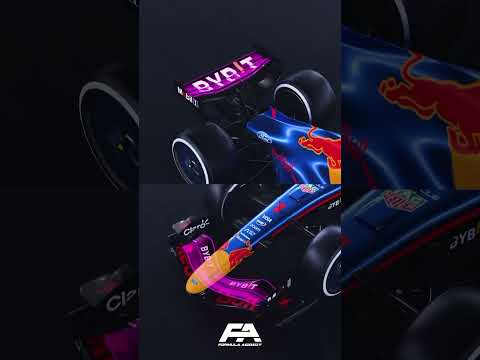
This system, also known as “Z Mode”, will help drivers switch between a low-drag setup for the straights and a high-downforce setup for the corners. The combination of the new 2026 rules and active aerodynamics gives teams like Aston Martin a blank sheet to design a revolutionary car. The development race has already begun.