
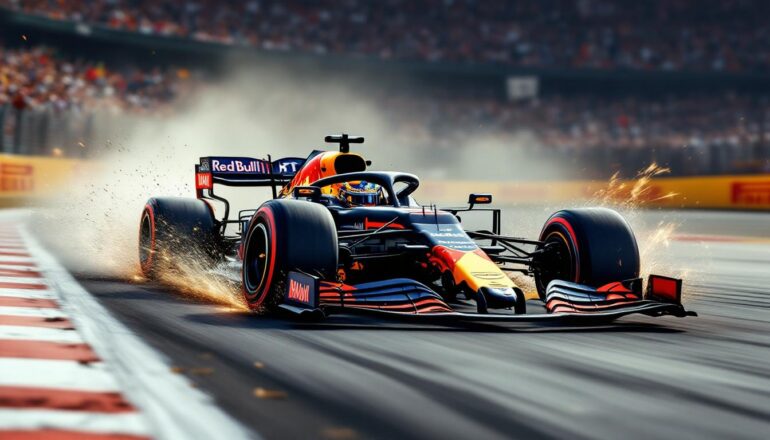

The world of F1 experiences heightened tension as discussions surrounding Max Verstappen’s driving methods intensify. Key figures express deep concerns over safety and competition dynamics. Fans and experts wonder: how will the sport react to these challenges?
The air in Formula 1 grows thick with tension as drivers voice concerns regarding the new regulations. Max Verstappen stands at the forefront of this discourse, openly criticizing aspects that impede true racing spirit. His remarks have not only stirred debates but also raised paramount safety concerns within the motorsport realm.
Drivers’ concerns and F1 response
Many F1 drivers express dissatisfaction with the recent rules governing racing. Their collective sentiment showcases a pressing need for attention from F1 officials. Among these voices, Verstappen’s critique shines as significant; he labels the new energy management rules as detrimental. The concern is that driver behavior and race dynamics may worsen without intervention.
As the season carries on, dialogue among competitors continues to evolve. Notably, only a few, like Lewis Hamilton, maintain a positive outlook on the state of racing. The sport finds itself at a crossroads, contemplating how to address its drivers’ growing dissatisfaction with the current regulations. For those deeper insights, more information can be found here.
The challenge of new guidelines
The regulations under scrutiny handle crucial elements such as energy management and vehicle performance. As they stand, concerns about their impact on both safety and competitive edge heighten. Verstappen, in particular, perceives the rules as an obstacle to legitimate racing. He furthers his argument by emphasizing risks associated with excessive energy monitoring during races.
Additionally, the dissatisfaction reverberates throughout the field, prompting further discussions about the future of racing formats. Drivers feel compelled to speak out, making it clear that the sport must prioritize safety and authenticity in racing. To explore the broader implications of drivers’ opinions, follow this link here.

His statements echo through the paddocks, signaling a pivotal moment for F1. As more voices chime in, will the governing body embrace these concerns? Observers eagerly await the next steps from the F1 officials in response to a growing urge for change.
The tragic lessons learned from Ayrton Senna’s death
Historically, Formula 1 has always been forced to reevaluate its safety protocols after experiencing devastating, high-speed tragedies on the track. Consequently, the unforgettable death of Ayrton Senna during the 1994 San Marino Grand Prix serves as a somber reminder today. During that tragic weekend, his Williams FW16 suffered a fatal mechanical failure at the notorious Tamburello corner in Imola.
Furthermore, Senna had explicitly voiced deep concerns regarding the dangerous unpredictability of cars after recent major regulatory overhauls were introduced. Unfortunately, his sudden loss of control at over 130 mph resulted in an unavoidable impact against an unprotected concrete wall. As a direct result, the governing body implemented radical safety engineering upgrades to ensure that drivers were adequately protected forever.
Therefore, looking at Max Verstappen’s currently debated driving style, officials must remember that ignoring driver feedback often yields catastrophic consequences. The sport simply cannot afford another dark chapter, meaning proactive interventions remain absolutely essential for preserving human lives today. Learning from Senna’s legacy dictates that prioritizing authentic safety over sheer vehicle performance is non-negotiable for modern racing.
The urgent need to regulate aggressive driving tactics
Currently, the modern era of Formula 1 faces intense scrutiny over new energy management regulations and controversial driver behaviors. Max Verstappen has actively criticized these specific rules, claiming they represent a significant obstacle to legitimate racing. Moreover, his noticeably aggressive maneuvers on the track have sparked widespread anxiety among fellow competitors and safety experts.
For instance, many drivers believe that excessive energy monitoring actually forces individuals to adopt much riskier driving habits. Consequently, the growing dissatisfaction reverberates throughout the entire paddock, demanding immediate attention from the highest motorsport governing authorities. Meanwhile, fans are eagerly watching to see how officials will navigate this delicate balance between pure competition and driver security.


