
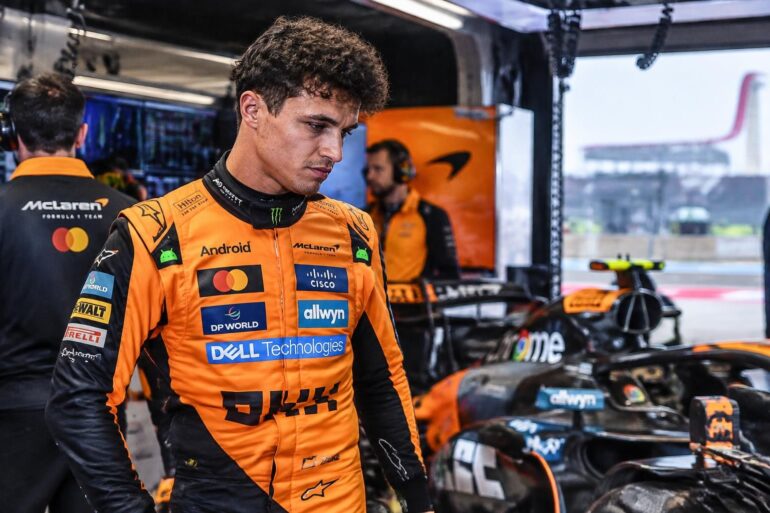

You saw Lando Norris wrestle with a difficult McLaren across the Austin qualifying session. His pace suggested a far better place than eighth on the grid. The gap between speed and control shaped his surprising admission.
The Austin Grand Prix left Norris frustrated after a final lap deletion reshaped his place on the starting grid. He said the car had enough pace for second, yet felt exceptionally hard to drive. For fans tracking his qualifying struggles in Austin, the contrast explains why the result felt so severe. His remarks also echoed earlier comments about confidence and execution, as seen in this report on Norris’s renewed confidence.
Lando Norris explains his Austin qualifying struggles
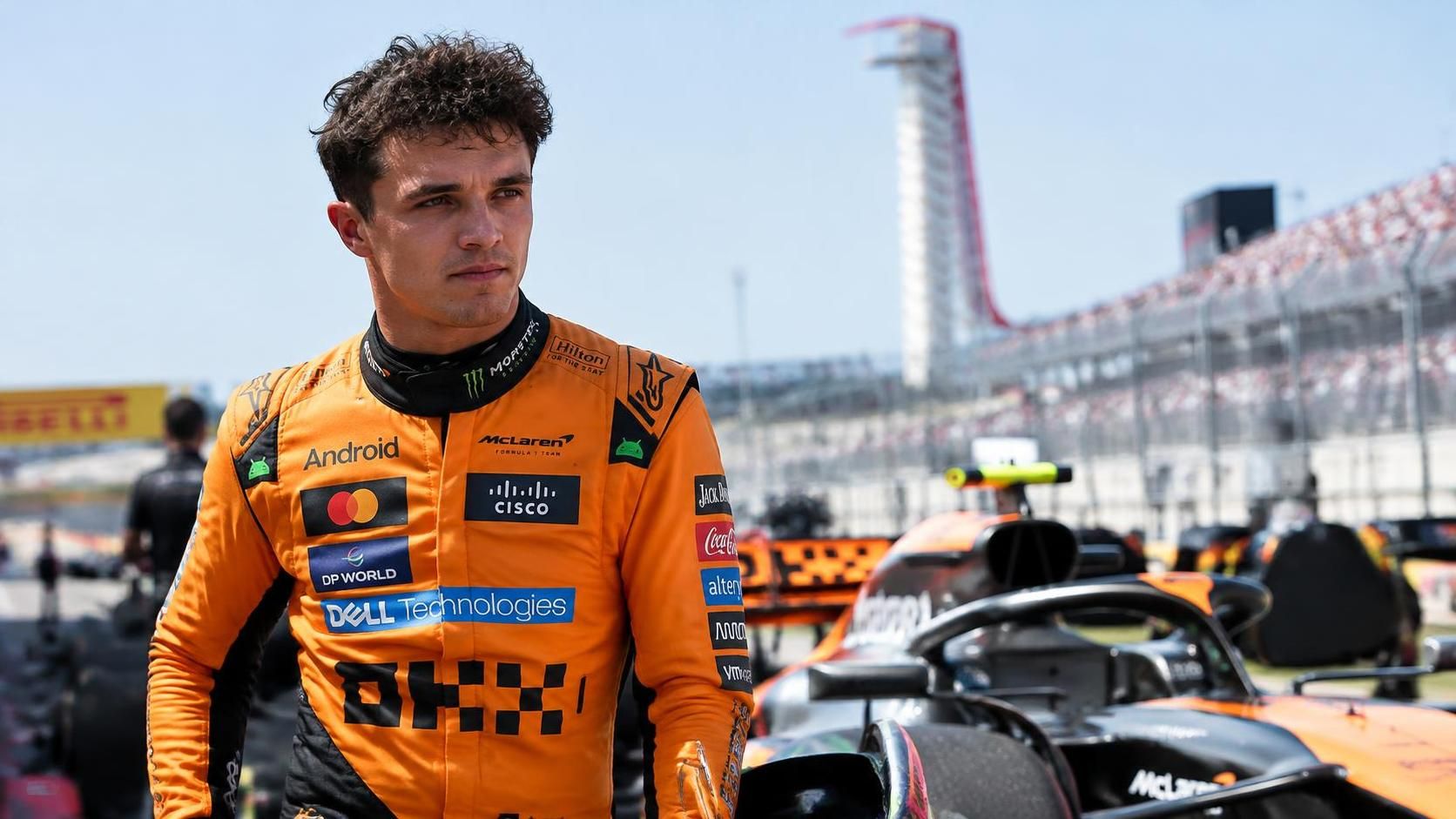
Norris first described the car’s pace as strong, despite the challenge of controlling it. He called it the hardest car he had ever driven. His estimate placed the car near a possible second-place result, not eighth. A separate account of his earlier form gives useful context in this report on Norris’s strong qualifying pace.
The British driver had initially sat sixth before officials removed his final lap for track limits. That penalty pushed him down two spots on the final Austin starting grid. Oscar Piastri finished seventh, one place ahead of his McLaren teammate. The lost positions added sting, but Norris blamed his own lap as well.
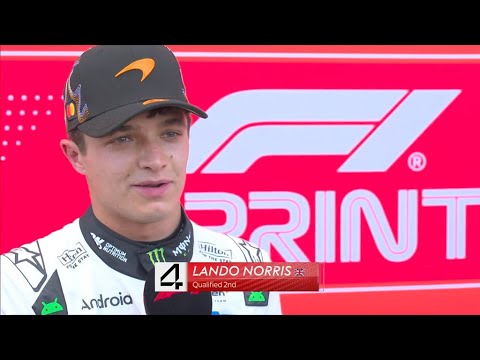
McLaren’s weak sector shaped the result
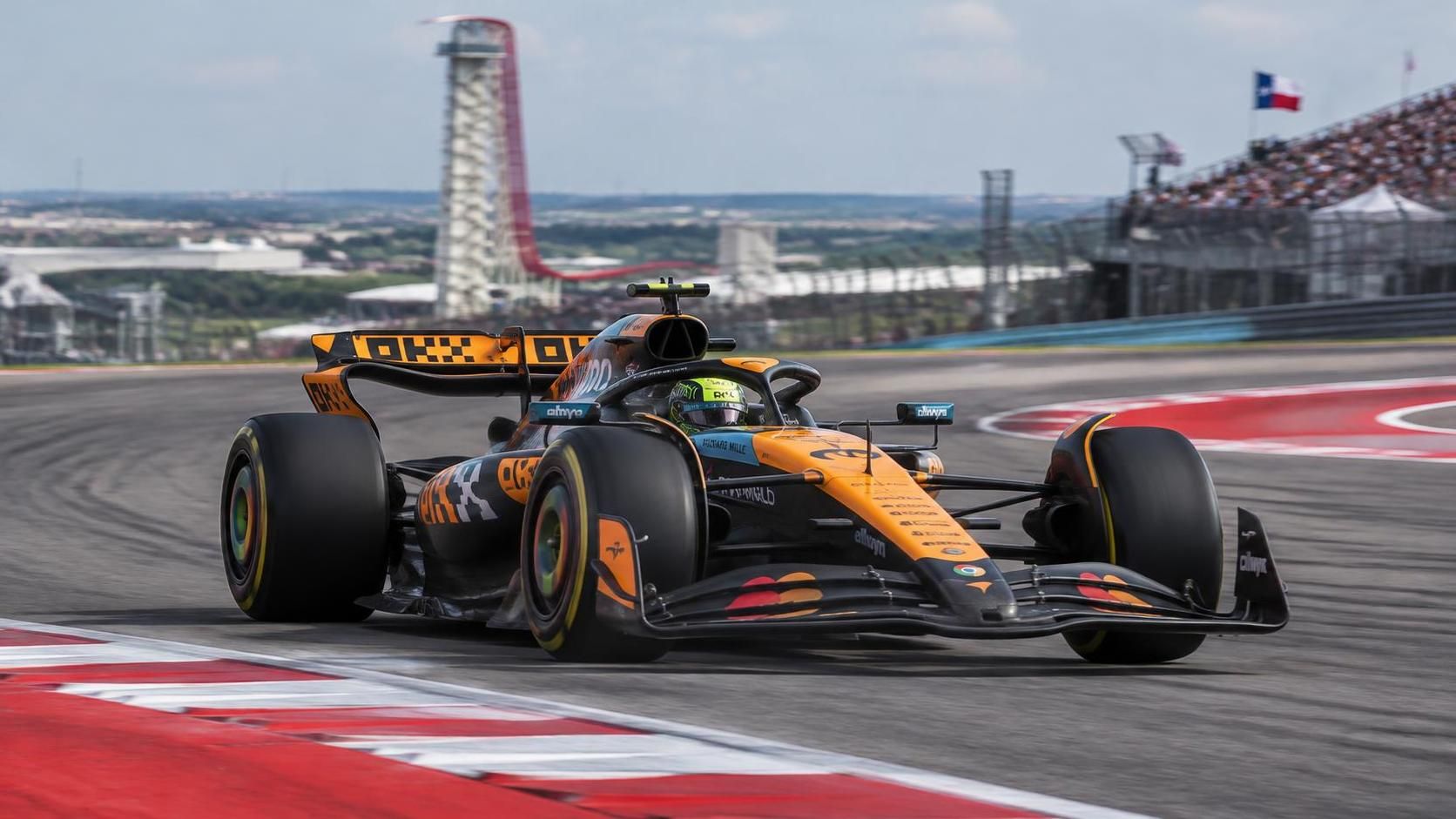
Norris identified the final sector as McLaren’s clearest weakness across the lap. He said the car lost ground through its slow-speed final sector turns. Elsewhere, he felt the team sat closer to its rivals. Those uneven track conditions made a clean lap especially difficult.
The comments point to a handling problem, not a lack of raw speed. The car could produce a strong result, yet its balance hindered Norris through slower corners. McLaren will need better control in the most demanding corners if it wants a stronger race. A past McLaren setback in Miami offers a related example in this report on missed pole chances.

Race prospects after the Austin session
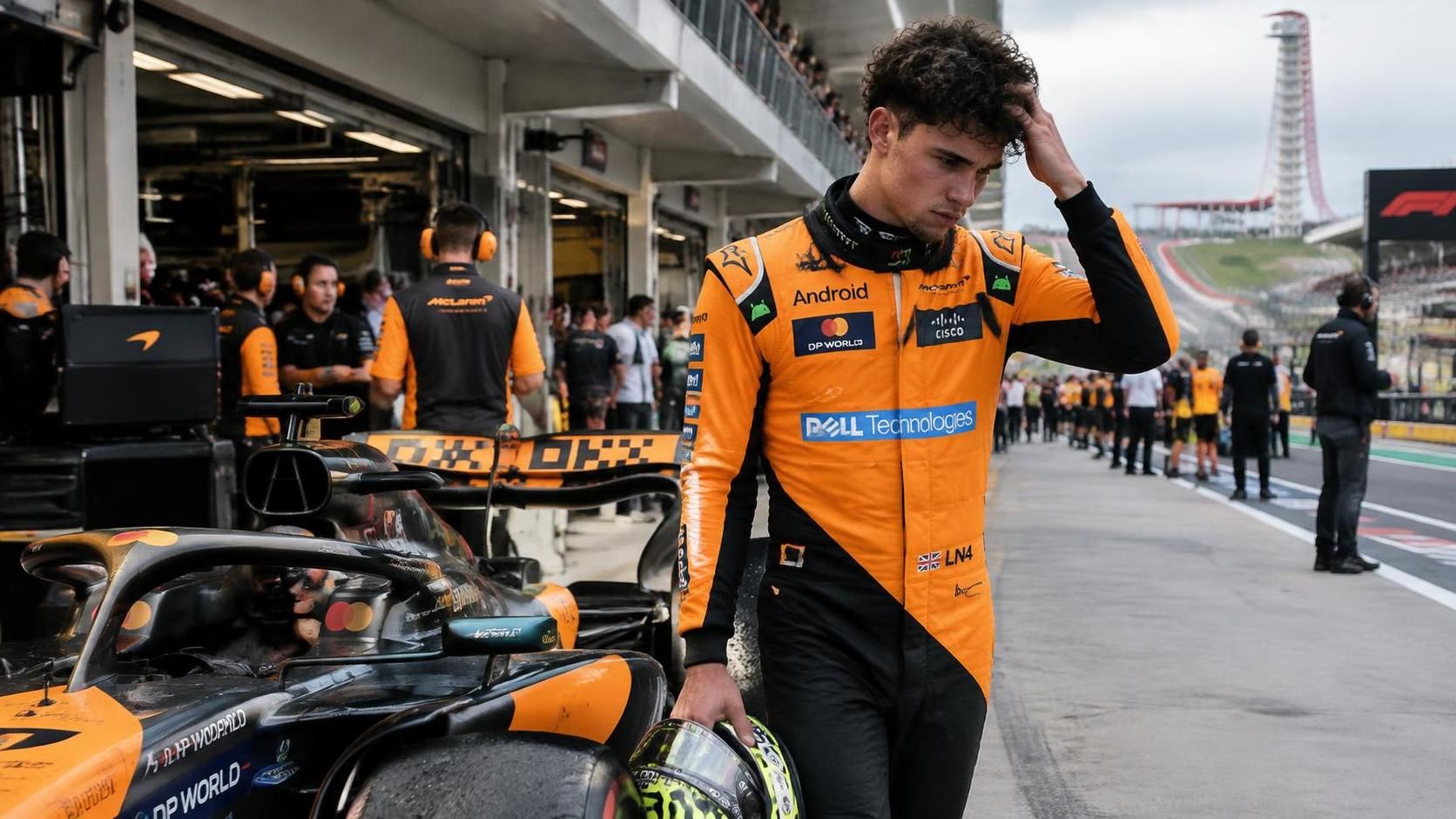
Norris retained faith that McLaren could still secure a solid race result. He also acknowledged that passing rivals might prove difficult. His outlook offered measured hope before race day, rather than a promise of recovery. Starting position and clean air may shape his options.
The Austin race weekend therefore left a mixed picture: speed existed, but confidence behind the wheel did not. Norris’s admission gave fans a direct account of that gap. The car’s pace versus control remains the key story for McLaren. Sunday will show whether the team can convert potential into performance.


