
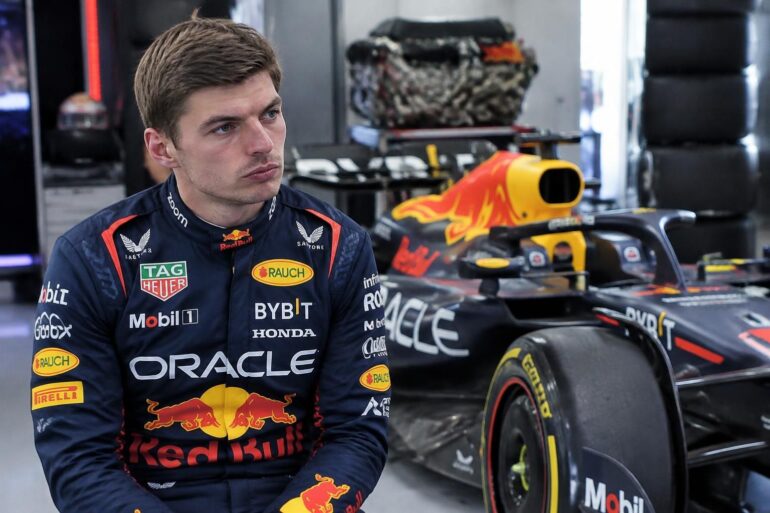

Max Verstappen says a naturally aspirated V10 is his ideal Formula 1 engine. You can hear why its raw character appeals to him. Yet he accepts that a turbocharged V8 is a more realistic path.
Verstappen has backed the proposed V8 revival, while calling his dream engine unrealistic. The FIA has discussed a possible 2030 return, but the plan is not confirmed. Its proposed 2.1-litre turbo V8s would differ from the 2.4-litre engines retired after 2013. For fans, the key technical compromise is a return to V8s without a full retreat from hybrid-era priorities; see Charles Leclerc’s view on V8 engines.
Why Verstappen prefers a V10
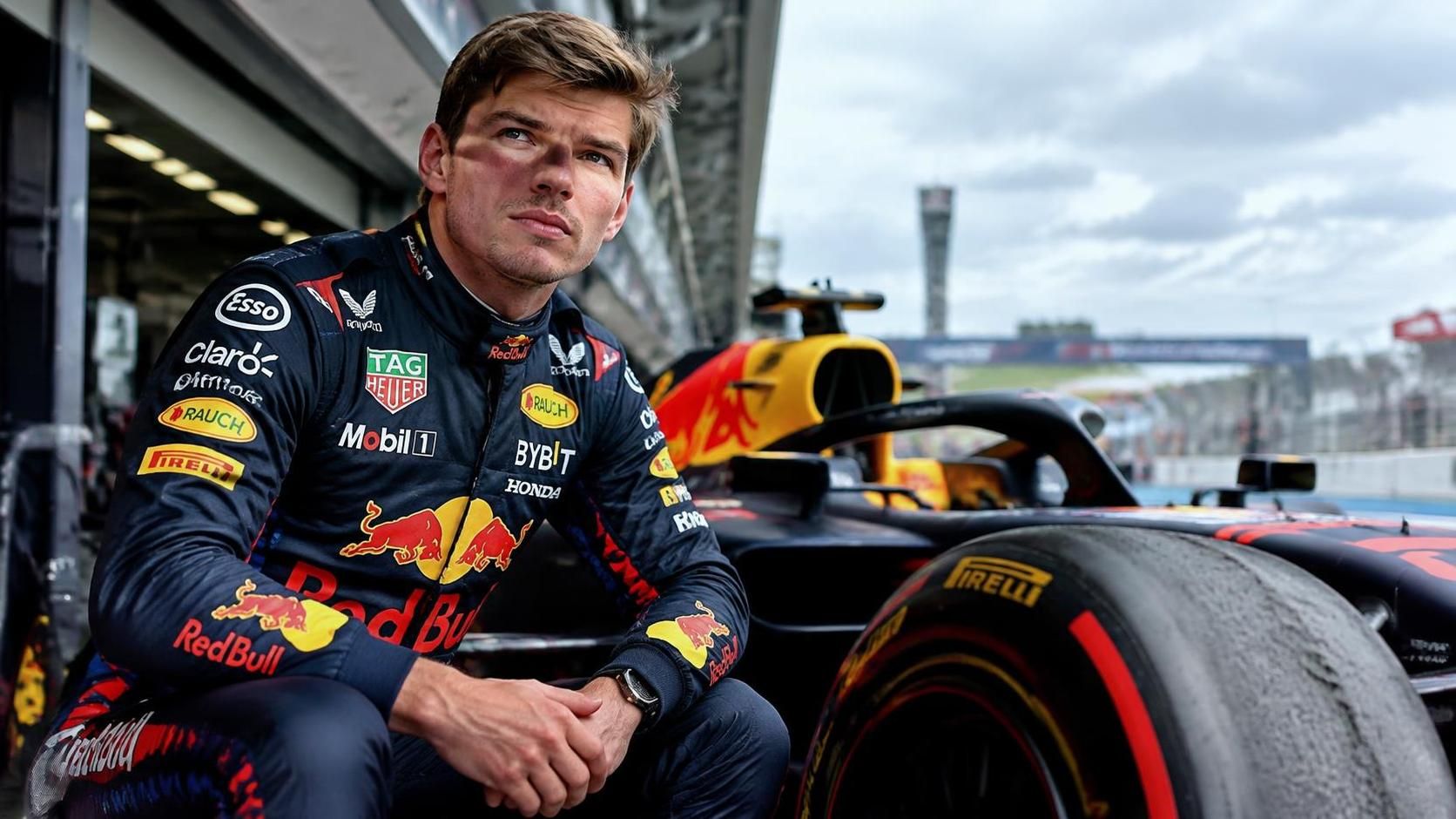
Verstappen said he would remove the turbo if he could choose freely. He would also limit battery use, perhaps reserving it for a short pass. A simpler engine character appeals to him more than extensive electrical assistance. His remarks reflect a preference, not a formal proposal; F1’s older engine eras show why that sound still resonates.
He also named a naturally aspirated V10 as his first choice. Yet he accepts that noise limits at some circuits could block such a return. That practical barrier matters alongside the higher fuel use he cited without a turbo. His view balances emotion with technical limits, rather than simple nostalgia; this engine history gives fans another point of comparison.
Why a turbo V8 may suit F1
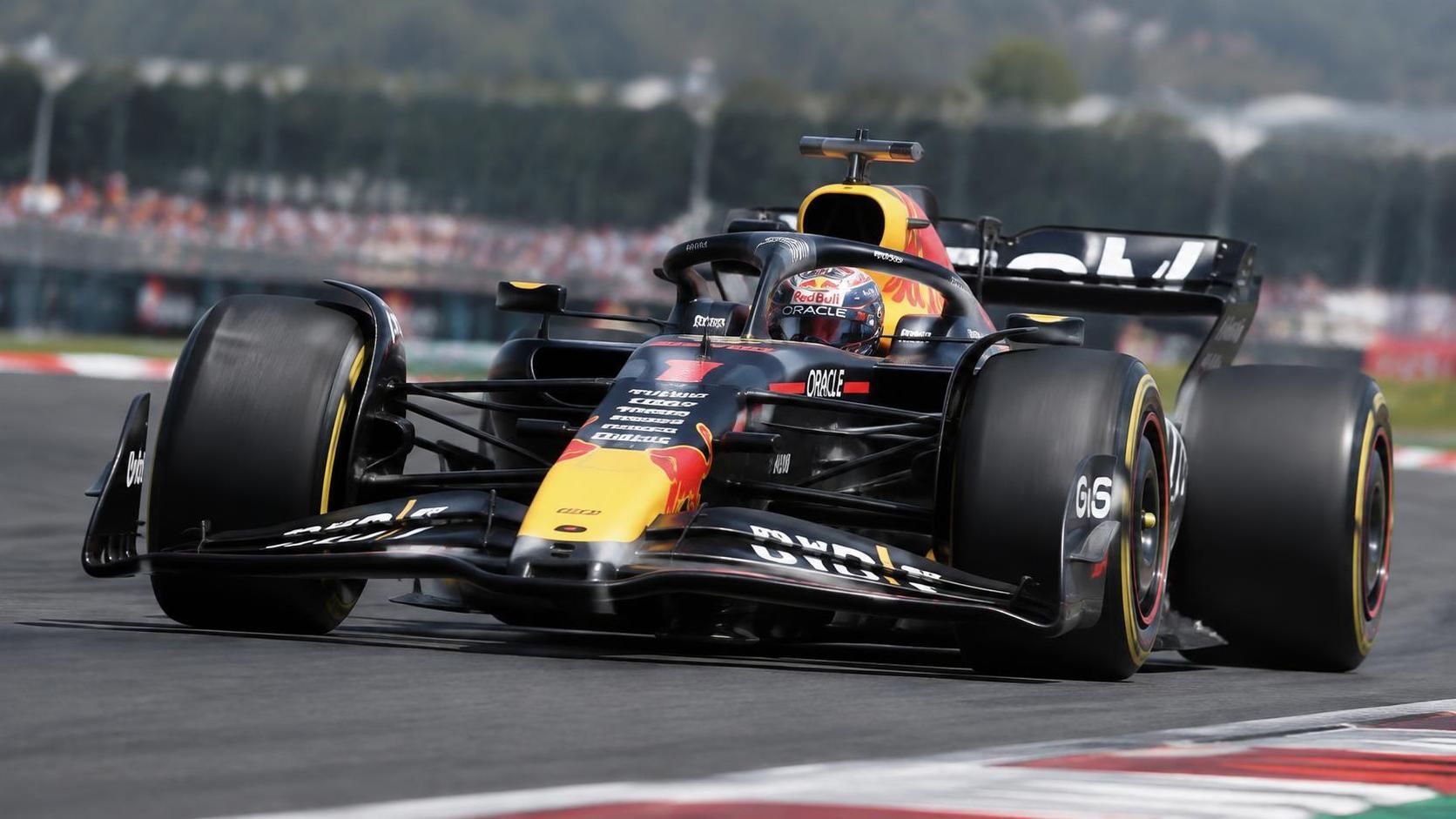
The proposed 2.1-litre turbo V8 would replace neither all electrical systems nor current fuel concerns. The turbo is intended to help control fuel use. That middle-ground design choice could let manufacturers adapt from today’s turbo hybrids. The FIA has not confirmed the plan; Red Bull’s powertrain plans underline the value of a clear technical direction.
Teams have no appetite for a return to race refuelling, given its cost and risks. So fuel demand remains part of the engine debate. These practical engine regulations help explain why Verstappen accepts a turbo, despite his preference. The proposal links sound, efficiency, and motorsport technology; its final form depends on agreement among the parties.
What the V8 comeback means
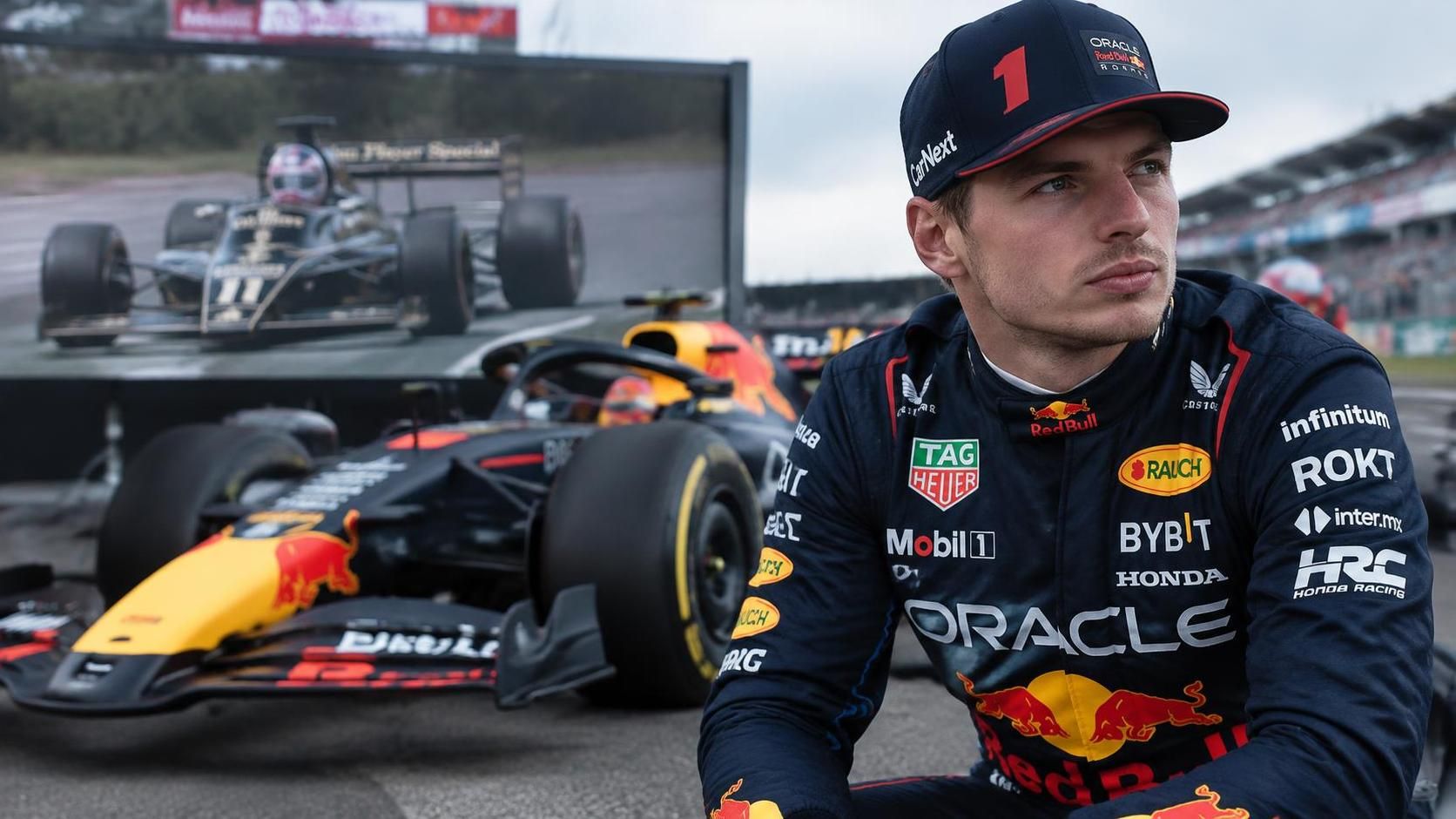
Verstappen called the V8 plan a good choice for the sport. He did not say what he would do after 2030. His support stays carefully qualified because the proposal still needs agreement. He also sees a possible sign that officials heard drivers’ views; Red Bull’s history in Formula 1 offers useful context.
The planned engine comeback remains a proposal, not a settled rule. Verstappen described the shift as a mix of driver advice and recognition that the current format falls short. That distinction sets expectations for fans who want a louder engine without a return to older machinery. The V8 revival may mark a compromise, while his dream engine stays out of reach.


