
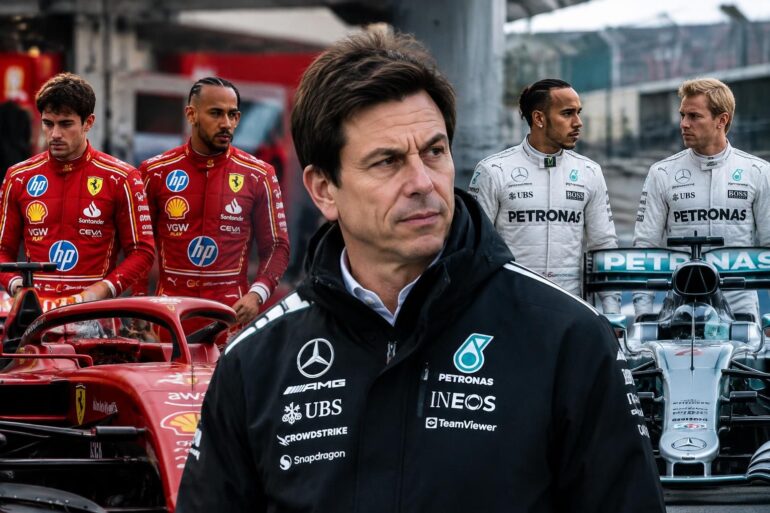

You can see why Toto Wolff recognizes the strain now facing Ferrari. Lewis Hamilton and Charles Leclerc fought for position at the Mexico City Grand Prix. Their dispute recalls the fierce Mercedes contest between Hamilton and Nico Rosberg.
Wolff says he relates to Fred Vasseur’s challenge, drawing on his years with Hamilton and Rosberg at Mercedes. At Ferrari, a first-lap clash and pointed radio remarks sharpened pressure between two elite drivers. The dispute prompted talks in São Paulo on Thursday, while Wolff’s account recalls how team tensions can test even experienced leaders. Read more about Ferrari’s scrutiny of Leclerc.
Wolff sees Ferrari’s Hamilton–Leclerc strain
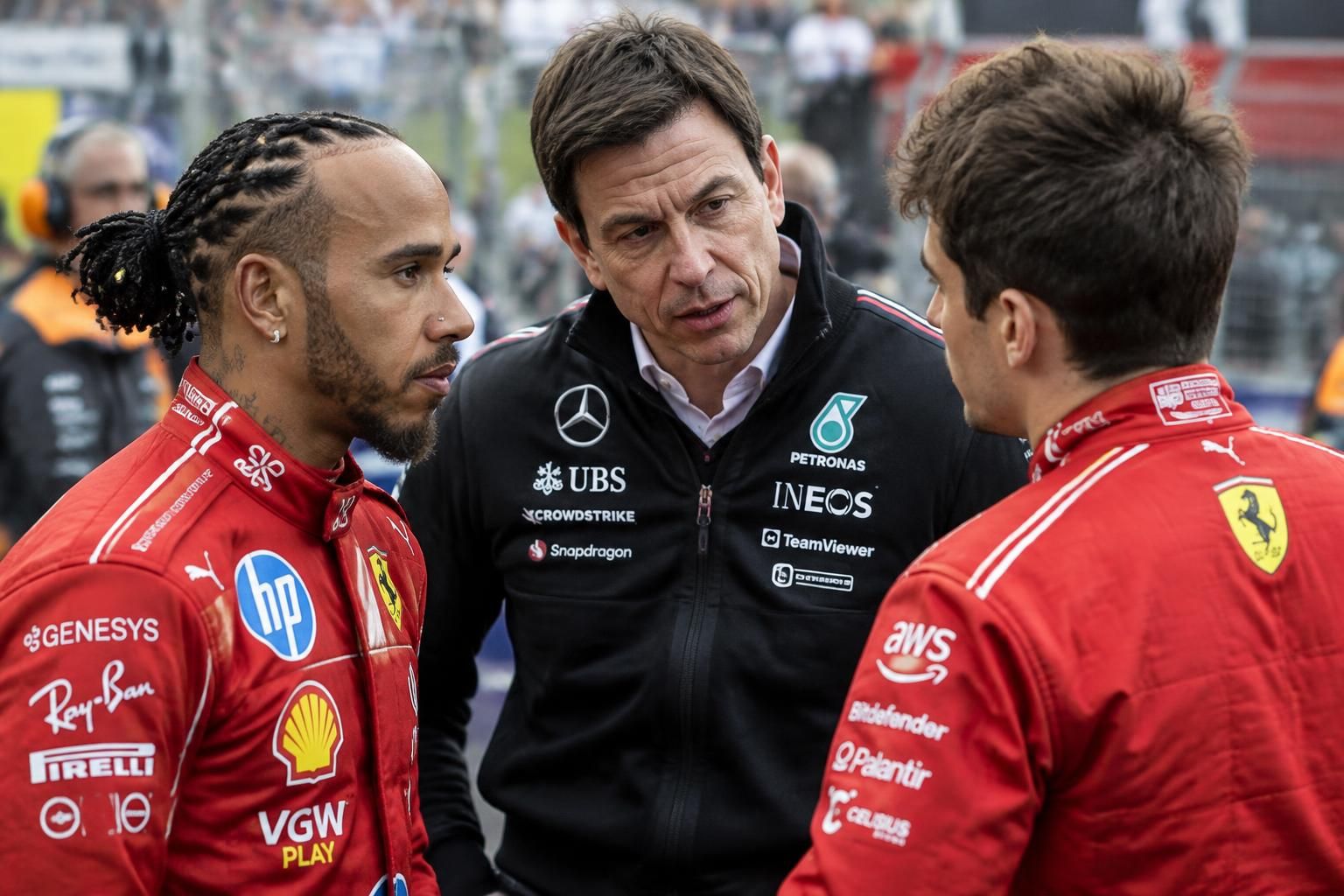
At the Mexico City Grand Prix, Hamilton and Leclerc disputed the lead on the first lap. Leclerc crossed the grass at Turn 4, then rejoined ahead of his team mate. Hamilton fell behind Max Verstappen and protested over team radio. A tight first-lap fight thus became a public dispute about fairness and control. See this report on a Ferrari stewards inquiry.
Leclerc received a five-second penalty, but Hamilton said it failed to correct the advantage. Leclerc had kept clear air at the front, while Hamilton had lost ground. He later said Ferrari had “big, big problems” over team radio. Such words made the internal conflict harder for Vasseur to contain. Radio remarks sharpened the dispute before the drivers met with Vasseur in São Paulo.

Mercedes history shapes Wolff’s view
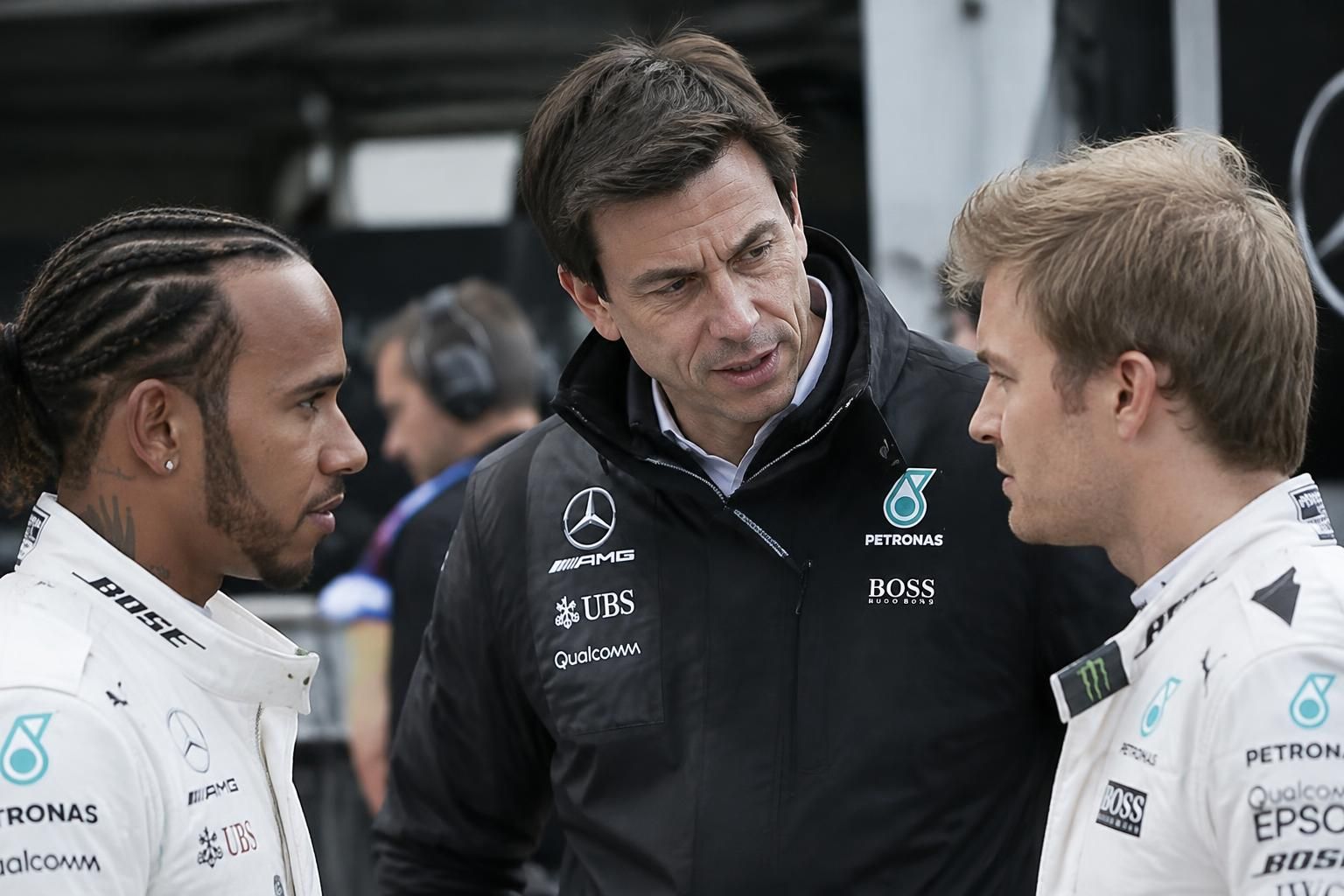
Wolff compared Vasseur’s position with his own management of Hamilton and Rosberg from 2013 to 2016. He said the situation felt familiar after years of questions about the Mercedes pair. Both drivers were exceptionally competitive and wanted the same prize. Two leading talents collide when a team must balance ambition with shared goals.
Rosberg retired days after he won the title, ending that four-year chapter. Wolff told reporters that Vasseur did not need advice from him. His comparison instead showed how familiar this driver rivalry can feel to team leaders. Explore the debate around Ferrari leadership.

Why team dynamics matter after a clash
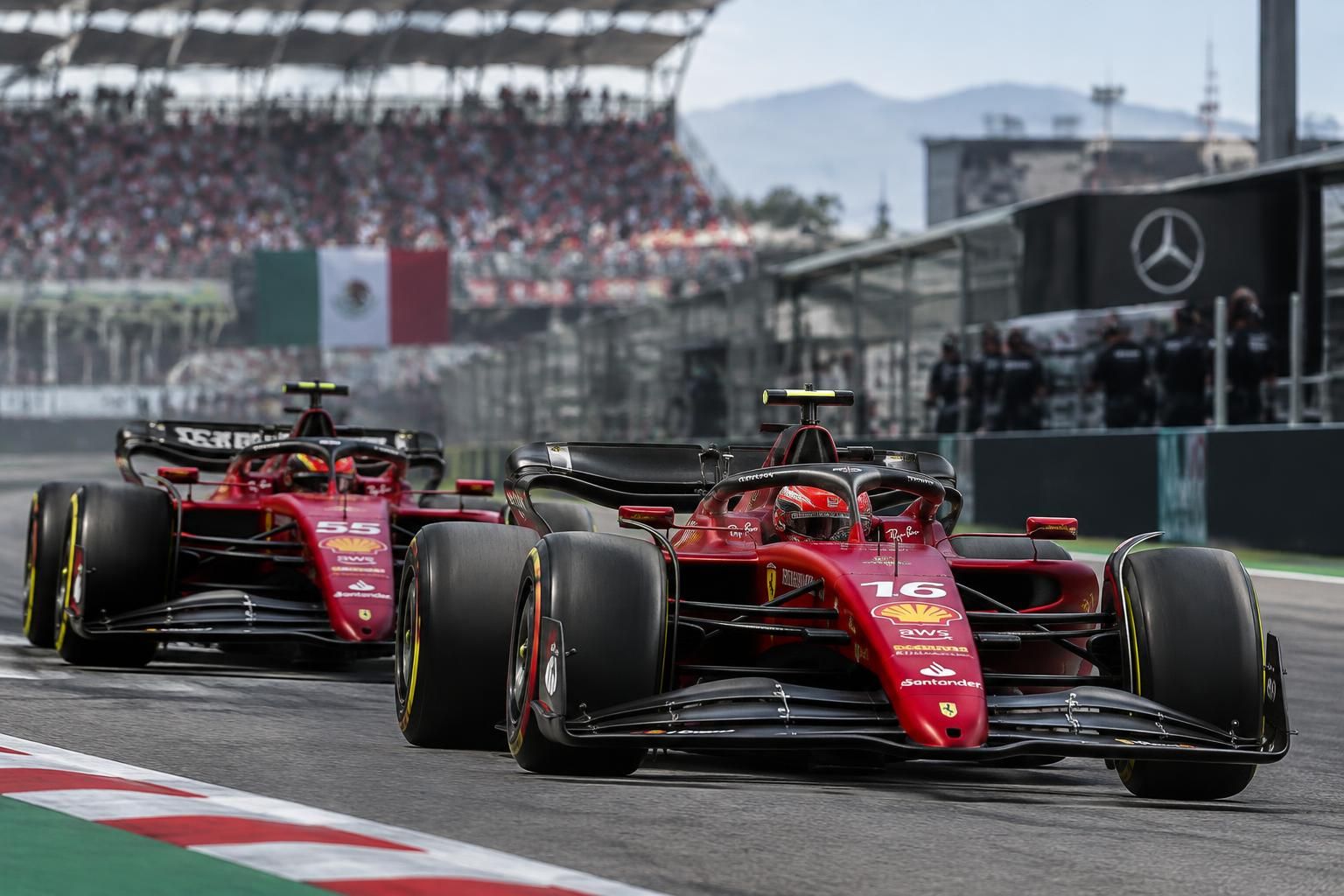
Wolff said harsh moments can set a limit when driver conduct harms the team. He recalled a Mercedes crash that made the boundary clear to Hamilton and Rosberg. His point was not that every dispute needs escalation. Respect must extend beyond drivers to the thousands who support a Formula One team.
For Ferrari, the São Paulo discussion gave Vasseur, Hamilton and Leclerc a chance to clear the air. Their next steps will shape how the team handles pressure at the front. Wolff’s experience shows that elite pace does not remove the need for clear rules. Strong team dynamics depend on drivers who place the collective effort alongside personal ambition.


