
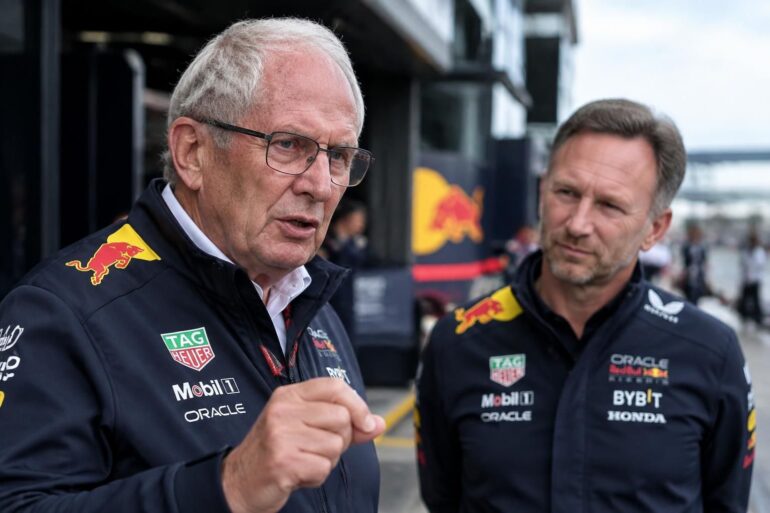

You can see why Helmut Marko’s rebuke has reignited a bitter Red Bull dispute. Christian Horner’s memoir puts old accusations back before Formula One fans. The publication date gives Marko’s embarrassment remark a pointed connection to Dietrich Mateschitz.
Marko’s public criticism focuses on Horner’s choice to publish Drive on 22 October, the fourth anniversary of Mateschitz’s death. The book also renews questions about trust inside Red Bull Racing, from alleged leaks to Horner’s 2025 dismissal. This F1 controversy now reaches beyond team leadership, with both men’s accounts still sharply opposed. For more on the team’s post-Horner era, read this report on Red Bull after Horner.
Marko condemns Horner’s memoir date
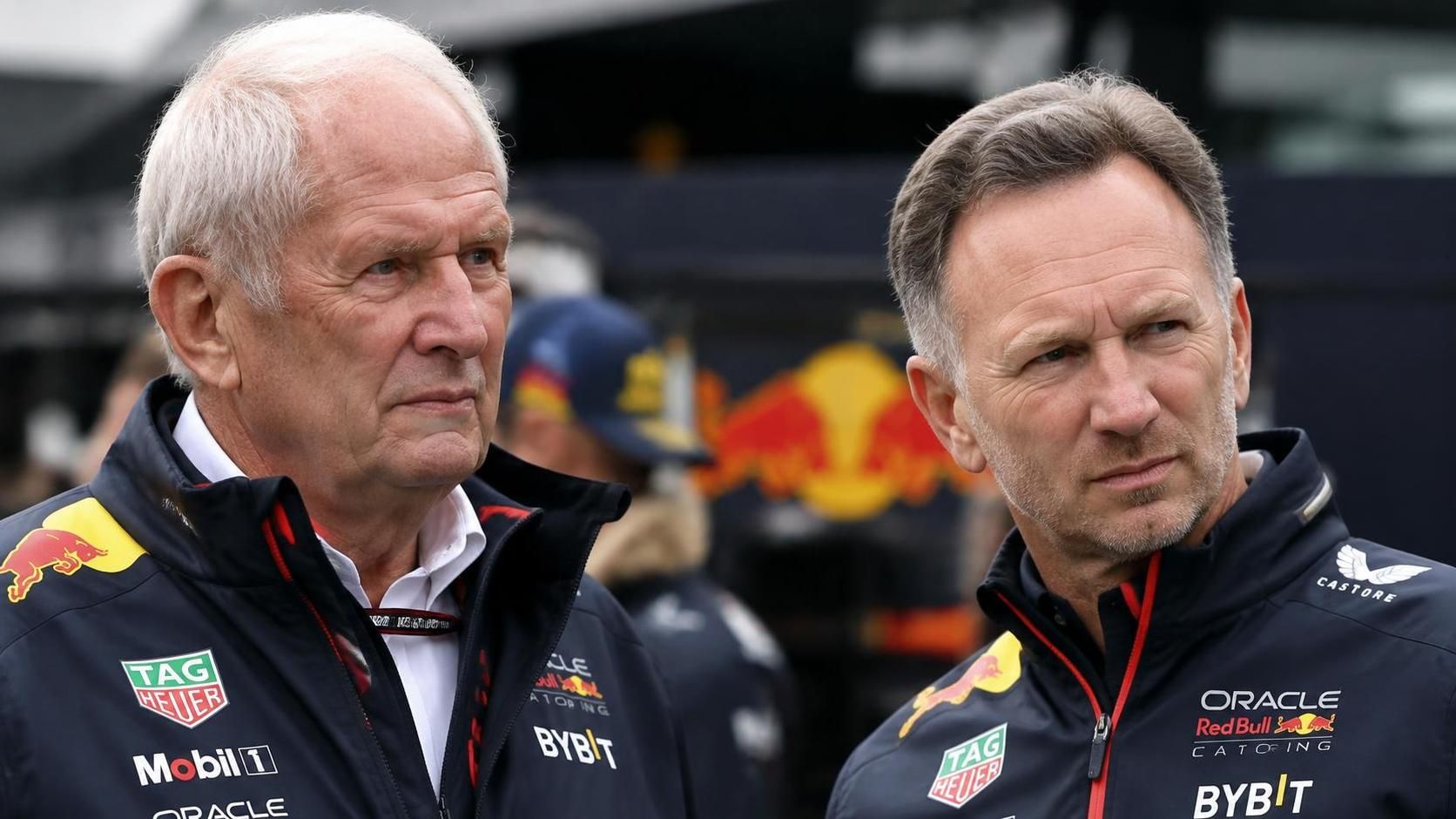
Marko tied his sharpest rebuke to the date Horner chose for his memoir. Drive appeared on 22 October, the fourth anniversary of Mateschitz’s death. That date gave a private feud a public and personal edge. Marko called the choice an embarrassment, saying the date carried symbolic weight.
Speaking to Krone, Marko refused to examine each accusation in Horner’s account. He dismissed the memoir as a low-calibre set of untruths. His refusal leaves the book’s claims unanswered by him, not confirmed. Fans can follow Red Bull’s post-Horner era, while the claims remain disputed between them.

Horner’s claims about leaks and leadership

In Drive, Horner accuses Marko of passing sensitive technical and operational details to the press. He writes that Adrian Newey grew frustrated by those disclosures. Horner says senior staff then withheld some information from Marko at meetings. The account puts trust at the heart of an internal Red Bull power struggle.
Horner also recounts his 2025 dismissal from Red Bull. He says Marko stood with Oliver Mintzlaff as the decision took shape. Horner recalls Marko’s explanation: “It’s about the can.” The passage adds to a fractured team leadership account, explored in this report on the dismissal.
Marko disputes a personal allegation
Marko corrected one point about Horner’s former partner, Beverly. He said he sent condolences after her death last year. Krone reported that Marko showed the message on his phone. His response gives this personal claim a record, though it does not settle their wider dispute.
Horner wrote that Marko had not contacted him after Beverly’s death. He described that absence as poor form during an already painful period. Marko’s reply directly challenges that account. The pair’s opposing versions now sit beside fresh attention on Horner’s public return, with no shared account of events.
The feud traces back to Red Bull’s power split
Their disagreement grew after Mateschitz died in October 2022. Power divided between Horner’s camp and Marko’s Austrian faction. Majority shareholder Chalerm Yoovidhya backed Horner’s side. That split shaped a lasting internal power contest, as detailed in coverage of Red Bull’s response.
Horner has said contact with Marko stopped on his final day at the factory. He described their parting handshake as their last exchange. That account leaves little room for a quiet repair between the former colleagues. Their dispute now forms a public record of division, not a settled chapter in Red Bull’s history.
Why this Formula One dispute still matters
Horner’s memoir places detailed accusations before readers, while Marko rejects its credibility. Neither account, as supplied here, resolves the claims about leaks or internal meetings. The disagreement also draws attention to the human cost of a divided team leadership. For wider motorsport news, read how F1 drivers viewed Horner’s departure.
Marko’s central objection remains the anniversary date, not a point-by-point rebuttal of Horner’s book. His condolence message gives one personal detail a direct answer. The wider Red Bull dispute still rests on competing accounts. For Formula One fans, the date keeps the feud in focus.


