
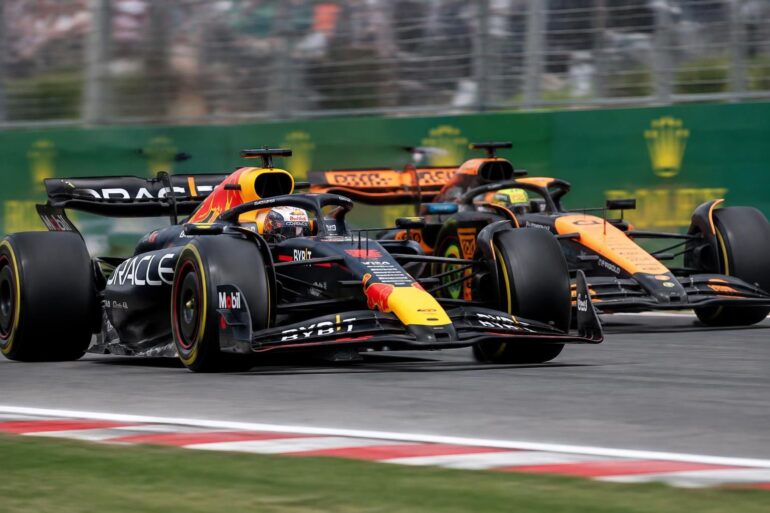

Max Verstappen expects Formula 1’s position swaps to persist under current rules. The Las Vegas Grand Prix showed how battery use can shape each pass. He sees the 2030 engine reset as the clearest chance to change that pattern.
The term yo-yo racing describes repeated position swaps, while the number of genuine overtakes remains disputed. The debate now centers on power, race strategy and whether current regulations can reward sustained pace. Lando Norris’s battery concerns echo the wider driver criticism.
Why yo-yo racing may persist
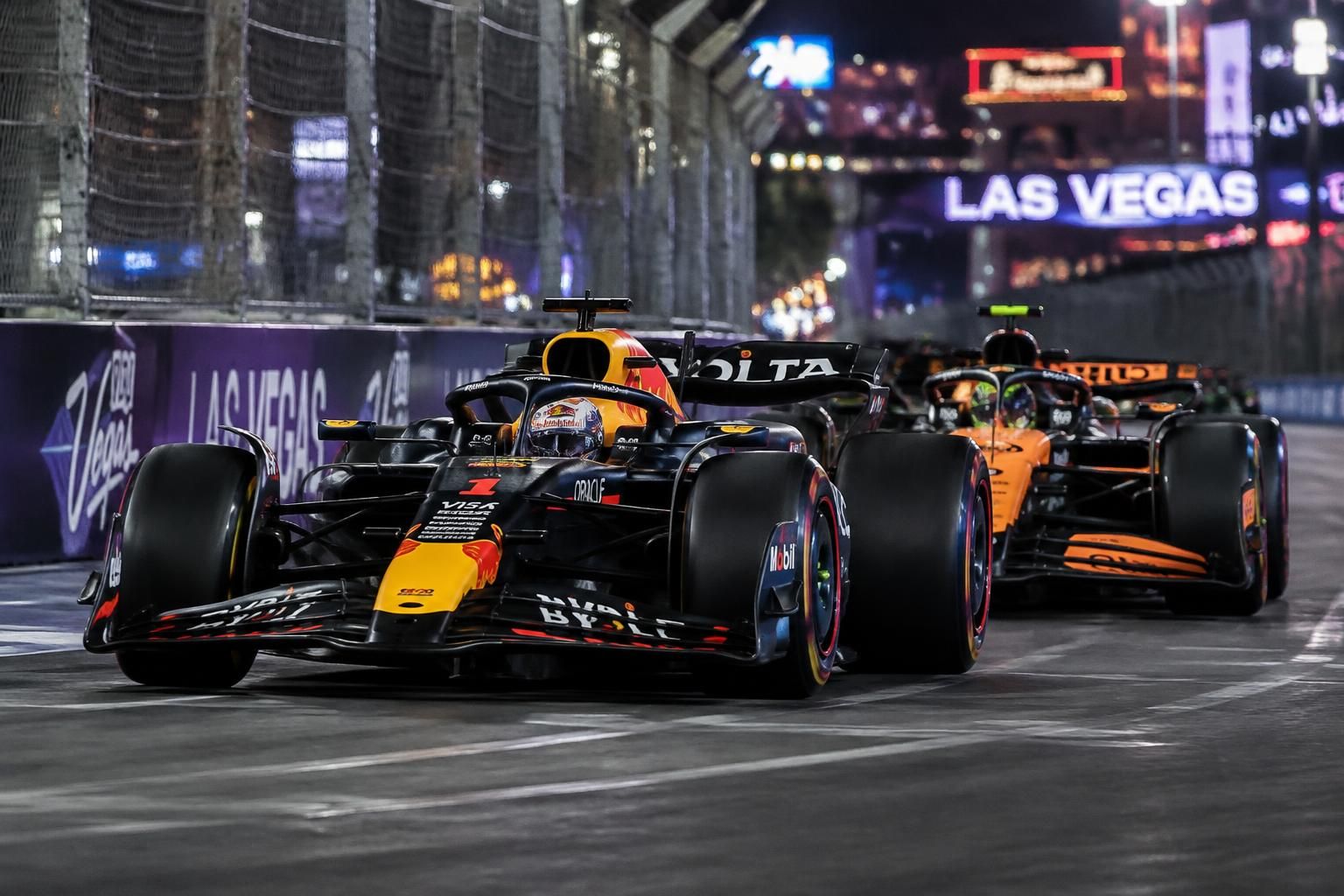
At Las Vegas, Formula 1 reported more than 350 position swaps across the Grand Prix. That figure recorded changes of place, not necessarily clean passes between rivals. Max Verstappen said the pattern will persist under the current power-unit rules. Battery use shapes each exchange, especially when drivers deploy electrical power on straights.
Changes introduced at Miami reduced the effect, but Las Vegas brought it back. Repeated position swaps test race strategy when drivers must manage energy as well as rivals. Verstappen believes small adjustments cannot fully address that challenge. Norris’s comments on battery use point to the same concern.
Engine regulations bring gradual changes
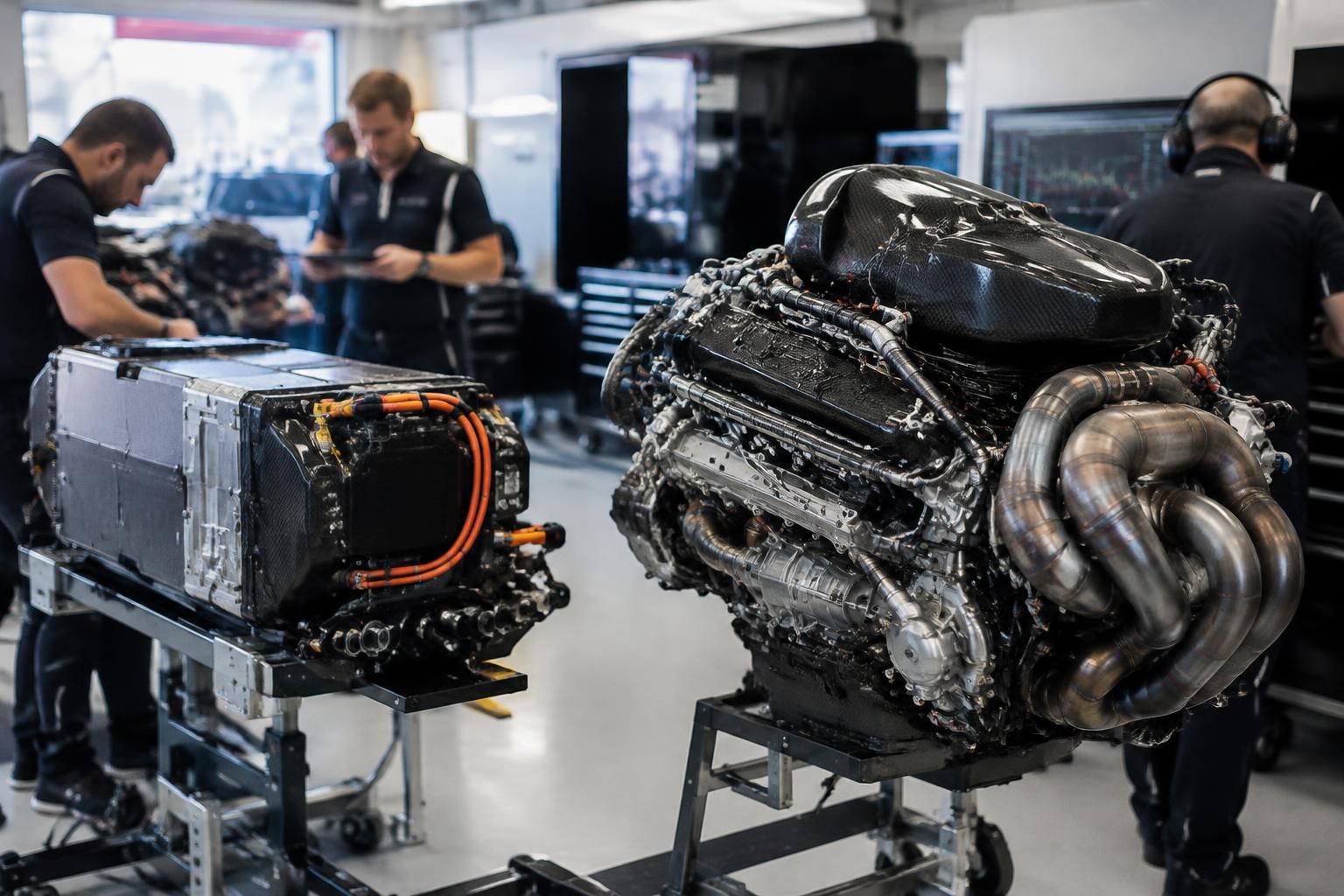
The current power split sits near 50:50 between the internal combustion engine and battery. Next year, the planned ratio shifts to 58:42 in favour of the engine. In 2028, the split moves further to 60:40. Those steps mark gradual change, rather than the sweeping reset Verstappen wants.
Verstappen called the move toward 60:40 a small adjustment to the product. He said a battery system would need an 80:20 split to feel more normal. His preferred balance gives combustion greater weight in overall power delivery. The revised engine regulations therefore address part, not all, of his objection.
Why Verstappen looks to 2030
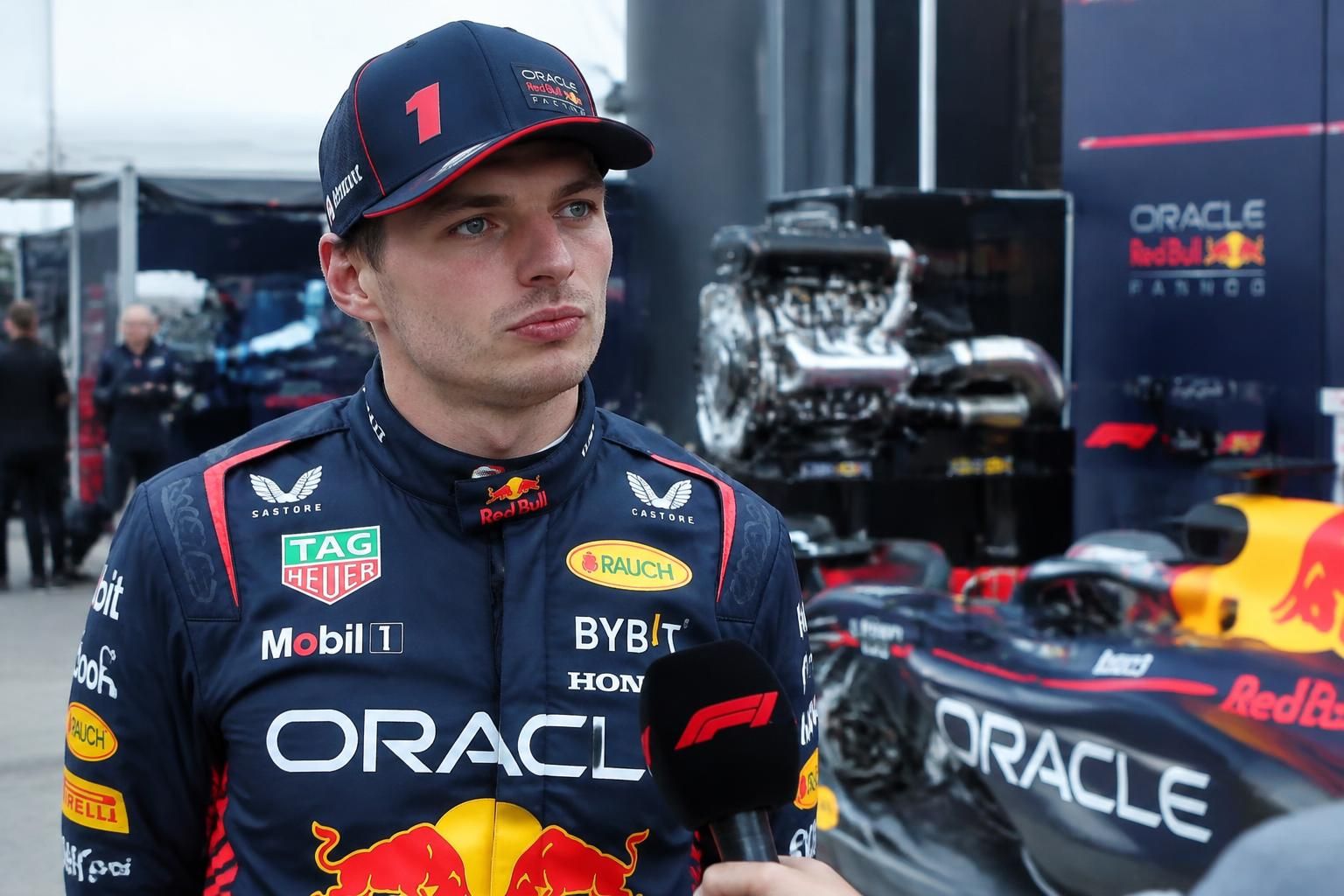
The FIA has confirmed plans to replace the current power units in 2030. The proposed package uses 2.1-litre V8 turbo engines with less powerful hybrid systems. That formula marks the larger reset Verstappen hopes will curb yo-yo racing. He expects the new engines to improve F1 performance.
Lando Norris also expects next year’s changes to leave the race pattern largely intact. He said the Las Vegas contest involved more than battery use. Straight Mode and the slipstream also matter, since both can help a car close rapidly. Norris views the 60:40 split as progress, but not a full fix.


