


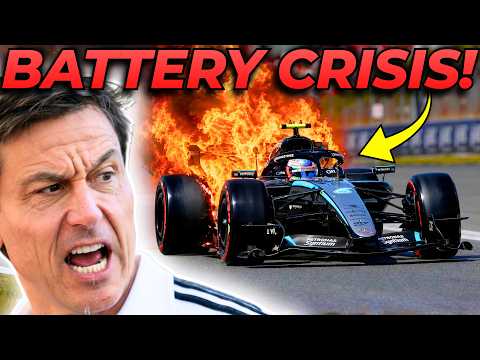
Discover why Formula 1’s top executive decided to remove battery data from TV screens. Fans today seek high-octane overtakes that captivate their attention. This shift marks a clear choice to focus on thrilling on-track moments over technical overlays for viewers.
Formula 1 has embraced a new era with hybrid power units delivering near half their energy electrically. Yet, audience engagement with telemetry details remains limited, prompting a rethink in broadcast priorities. The removal of battery data from TV graphics sparks fresh debates on the sport’s communication strategy. For more insight on powertrain evolution visit electric cars in motorsport.
Challenges of presenting battery info live

The F1 CEO highlighted that viewers mainly want pure racing moments, not intricate data streams. This decision reflects a shift from showing battery percentages on-screen during races. Fans found such details distracting rather than helpful for understanding key moves. The info might appeal to enthusiasts, but many prefer simplified, direct visuals focused on racing action. For recent race results, see Las Vegas Grand Prix updates.
Battery data once featured prominently during qualifying and races like Australia’s season opener. But new power unit rules created instances where drivers slow sharply to manage energy. This led to less dynamic overtakes and more complex strategy layers viewers struggled to follow. Consequently, broadcasting teams chose to reduce telemetry overlays to avoid confusing the broader audience.
Balancing technical insight with entertainment

Stefano Domenicali affirmed that most fans care about wheel-to-wheel action, not telemetry specifics like battery charge levels. He compared battery data to brake pressure or throttle angle, suggesting their limited appeal to casual viewers. The focus remains on the spectacle of overtakes, which define Formula 1’s allure to mass audiences. Yet detailed telemetry is still accessible for analysts and dedicated fans.
In a revealing talk with George Lucas, Domenicali explored how new fans perceive Formula 1’s complexity. Simplifying broadcast graphics aligns with attracting those fascinated by racecraft and drama, rather than technical minutiae. This approach helps maintain rapid audience growth despite regulatory challenges. Fans wanting deeper data can still engage through specialist platforms or technical briefings.
Future perspective on data presentation

The demand for data-rich viewing experiences remains niche despite Formula 1’s technological advances in 2026. This raises questions about how broadcasts might evolve to reconcile detail with entertainment. Removing battery info may help simplify storytelling during live coverage while preserving interest in strategic depth. The industry watches carefully as fans’ preferences continue to shape how motorsport communicates complex technology.
As the hybrid era develops, Formula 1 might explore new ways to visually convey energy management without detracting from racing intensity. Efforts to highlight driver skill on track coexist with an ongoing need for accessible, engaging broadcasts. Exploring innovative broadcast formats will remain key for audience attraction and retention. Read about upcoming challenges for teams at Alpine’s engine transition.


