


Formula racing isn’t just about speed; it’s a high-stakes game where the mind plays an equal role as the machine. Drivers must possess a unique mental fortitude to thrive amidst the pressures and uncertainties of the track. Take Max Verstappen, for example; his unwavering determination stands as a testament to the power of mental strength in racing.
From his remarkable emergence in motorsport in 2015, Verstappen has showcased a mental resilience that many can only aspire to. As he pushes for an unprecedented fifth consecutive F1 drivers’ title, the spotlight on his psychological prowess intensifies. Even when faced with challenges such as a 104-point deficit in the championship race, he never wavered. Instead, he harnessed that pressure to catalyze an impressive comeback, racking up seven victories in just the final nine races. His perspective on mental strength is clear: it’s a trait that’s not universally attainable but rather a blend of intrinsic qualities and hard-earned lessons. This inherent grit, cultivated from a young age, functions as the bedrock for overcoming adversities on the racetrack.
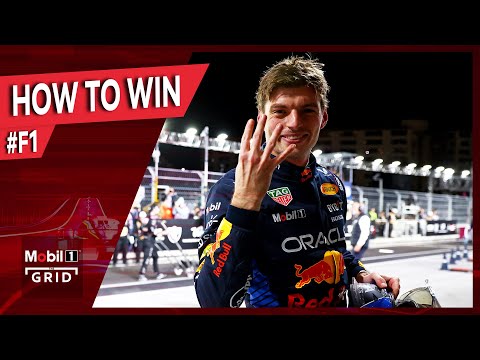
Mental strength play in racing performance
In the realm of racing, mental strength is akin to a finely-tuned engine—essential for optimal performance. For drivers, the pressures of competition extend beyond the physical demands of racing. The mental aspect encompasses handling expectations, managing stress, and maintaining focus under extreme conditions. Verstappen’s experience highlights how vital mental fortitude is, particularly when faced with the uncertainty and high-stress situations prevalent in motorsports.
The ability to remain calm and composed can often be the difference between winning a race and finishing in the middle of the pack. Verstappen’s steadfast demeanor, even in tumultuous circumstances, exemplifies how critical mental resilience is for success. Racing isn’t just about speed; it’s about strategy, execution, and, crucially, the psychological aspect of the sport. Verstappen himself stated, “A lot of things can be learned, but some things really have to be ingrained in you, personality-wise, and you can’t completely teach those.”
Moreover, the mental challenges are amplified by the competition. One need only look at recent competitive dynamics within Formula 1 to understand this. Verstappen’s battles with other top drivers, such as Lando Norris and Oscar Piastri, create an environment of significant psychological strain. These rivalries can lead to enhanced stress levels as drivers strive to outperform one another. Verstappen’s mental agility allows him to exploit his rivals’ mistakes, showing that an adept mind can lead to advantageous positions on the track.
Mental training has become a focal point for many teams, engaging sports psychologists who assist drivers in developing strategies for peak performance under pressure. By focusing on techniques to bolster mental strength, drivers can optimize their performance—essentially “training the mind” to cope with the saturation of adrenaline and the chaos of racing environments.
How can aspiring drivers develop mental strength?

For newcomers in motorsports, especially at the grassroots level, building strong mental resilience is essential. Beyond the physical demands, the ability to stay focused, calm, and strategic often determines performance on the track. Advice from drivers like Verstappen shows the value of practicing mindfulness, visualization, and relaxation techniques from a young age. These habits help drivers stay composed under pressure and make better decisions during critical moments.
At the same time, seeking support when needed plays a crucial role. Discussions around athlete mental health have become more open, with drivers like George Russell highlighting the importance of asking for help. Joining supportive communities—training camps, online groups, or mentorship with experienced racers—gives young drivers a space to share challenges and learn effective mental strategies. Together, these resources create a strong foundation that helps aspiring racers develop the mental strength needed to succeed in motorsports.
What can be learned from Verstappen’s approach to mental challenges?

Max Verstappen’s approach to racing highlights mental strength in ways that go beyond the sport. He shows that staying pragmatic, focused, and determined helps both on and off the track. By embracing challenges and pushing beyond limits, Verstappen demonstrates that perseverance and resilience are essential for success and personal growth. His ability to tackle setbacks, like falling behind in standings, emphasizes responding with determination rather than giving in to frustration.
Verstappen also shows that mental strength comes from both training and character. Cultivating grit, focus, and tenacity is as important as mastering technical skills. Reflecting on personal strengths builds confidence, which helps in racing and everyday life. By openly discussing mental toughness, he encourages transparency and reduces the stigma around mental health in sports. His story reminds us that real growth comes from facing challenges head-on, using mental resilience to overcome fear, pressure, and obstacles.


