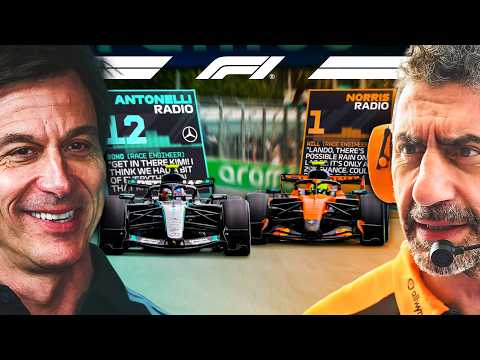


As you follow the intense world of Formula 1, understanding key factors behind Mercedes’ Austrian GP victory becomes vital. Kimi Antonelli highlights a critical challenge that shapes the team’s winning strategy despite tough European heat. You will discover how tyre temperature control emerges as a defining element within Mercedes’ Grand Prix performance.
At the heart of Mercedes’ Austrian GP strategy lies the management of tyre temperatures amid extreme heat, a significant obstacle for team performance. Kimi Antonelli’s approach reveals key insights into the race’s dynamics as the fleet battles intense track conditions. For a deeper view into other team challenges on Grand Prix weekends, consult Lando Norris’ insights on McLaren.
Tyre Temperature Control: The Winning Factor
Kimi Antonelli pinpoints tyre temperature control as a challenge central to Mercedes’ race pace. The heatwave across Europe brought temperatures near 60 degrees Celsius at the track. This extreme heat stressed tyres, requiring precise vehicle handling and strategy. Antonelli’s ability to keep tyres within an optimal window proved crucial during practice sessions.
The Austrian GP track layout includes several heavy traction zones, which increase stress on tyre degradation and strategy. Managing this effectively allowed Mercedes to maintain front-running positions. Antonelli topped initial practice sessions, demonstrating the car’s adaptability under pressure. For comparative details on Grand Prix team strategies under stress, see Sao Paulo GP challenges for teams.

Austrian Heatwave Impact on Mercedes Strategy
The European heatwave defined the conditions of the Austrian GP, creating a demanding environment for team tactics. This weather elevated tyre wear risks and forced Mercedes to adapt their overall race approach. Antonelli’s feedback confirmed that tyre overheating could ruin lap times and strategy effectiveness. This challenge required consistent monitoring and smart adjustments from the pit wall.
Antonelli described the day as productive with a focus on tyre management, emphasizing the need for careful tyre preservation. These hot conditions dictated a different approach than usual races, focusing on maintaining grip and pace. Mercedes collected valuable data during sessions to refine tactics for qualifying and the race. Learn more about the mental and physical challenges F1 drivers endure in pressure situations via Max Verstappen’s mental challenge interview.

Key Strategy Insights from Kimi Antonelli
Antonelli’s comments reveal how controlled tyre temperatures become a decisive advantage during the race. The Mercedes team prioritized tyre management above outright speed to maintain consistent lap times. This balanced approach allowed Antonelli to keep a competitive edge over rivals throughout the weekend. His performance sent a strong message about the importance of strategic adaptation in Formula 1.

In the context of fierce competition, Mercedes’ ability to handle the Austrian heat contributed directly to their team performance and Grand Prix victory. The seamless interaction between driver input and team strategy underlined overall strength. Antonelli’s adaptation to extreme conditions reflects a growing trend in Formula 1 toward integrating detailed environmental analysis into strategy. These developments continue to shape race outcomes dynamically.