
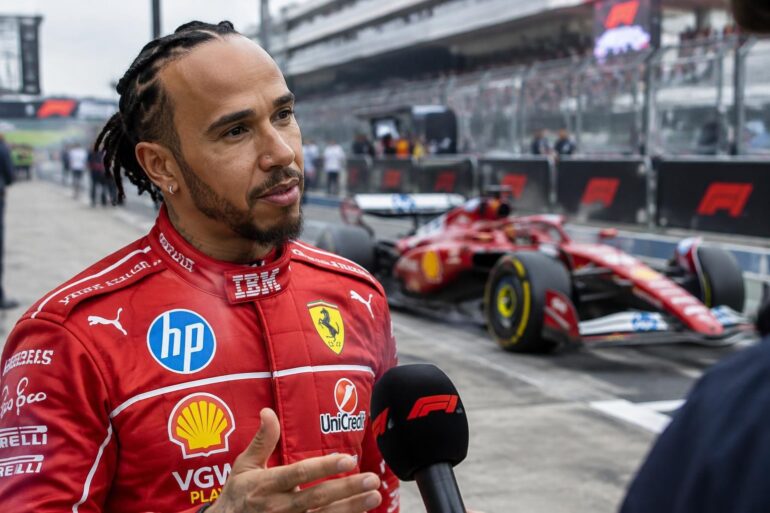

You can judge the Ferrari turbo theory against what Lewis Hamilton saw on track. His Friday comments challenge speculation about a Mexico City advantage. The key evidence, he says, lies in straight-line speed, not rumors.
At the Mexico Grand Prix, Lewis Hamilton dismissed claims that Ferrari’s smaller turbo creates a clear advantage. His remarks put the Ferrari engine story beside straight-line speed data. Read more about Hamilton’s Ferrari relationship for team context. The technical controversy links turbo response, race strategy and a lost practice session.
Why Hamilton rejects Ferrari’s turbo theory
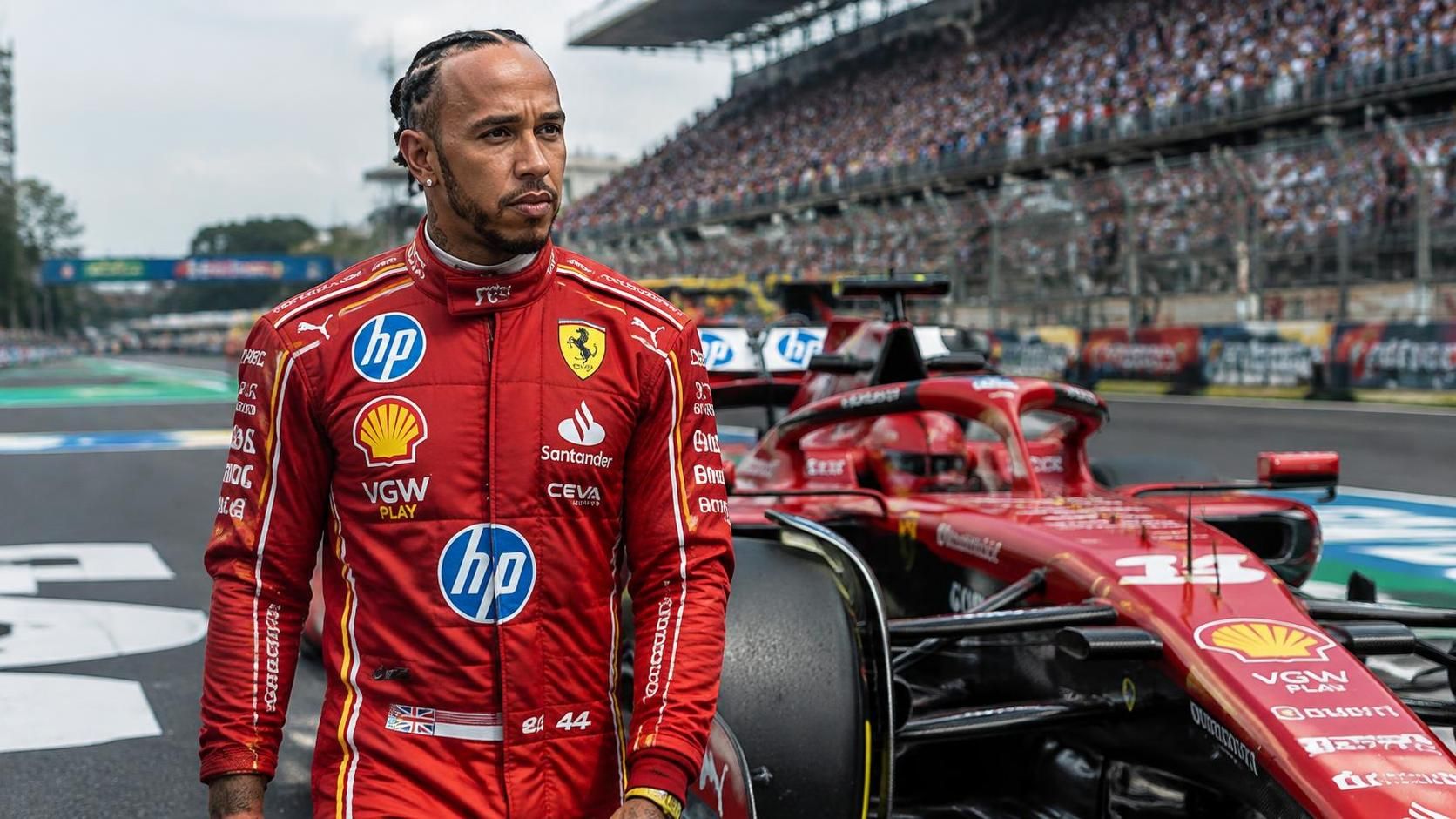
Mexico City sits 2,285 metres above sea level, where air density falls 25%. That thin air asks each turbo to push more air toward the engine. With the MGU-H absent from 2026 power units, turbo lag has greater relevance. Ferrari’s smaller turbo seemed a possible edge, yet Mercedes engine rivals remained quick on the straights.
Friday’s pace told part of the story, but not all of it. Charles Leclerc topped both Friday practice sessions. Hamilton placed fourth in FP1 before an engine issue stopped his FP2 run. He said Mercedes and Red Bull still held more speed at straight ends.
What the Mexico City speed data showed
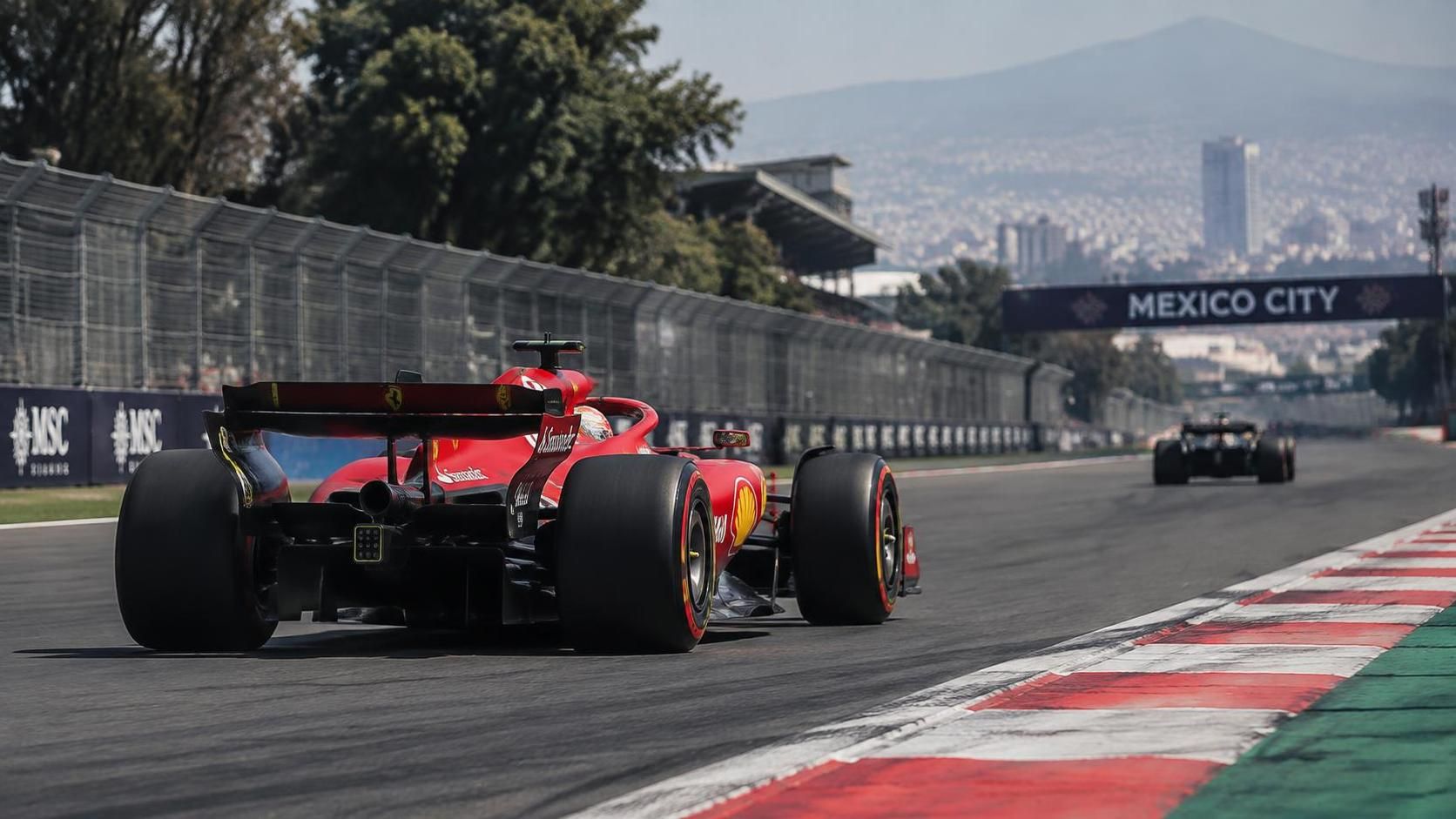
Hamilton rejected the claim that Ferrari’s compact turbo explains its Friday pace. He pointed to rivals’ greater speed at the ends of straights. That deficit, he said, still cost Ferrari two or three tenths. His comments challenge the alleged trick narrative and echo the wider F1 engine debate.
The 2026 rules remove the MGU-H, which once helped limit turbo lag. At altitude, lower air density adds pressure on turbo response. Hamilton said Ferrari still lost power at several points on his lap. His account separates a theoretical design edge from measured track performance.

Hamilton’s Ferrari form after the FP2 stoppage
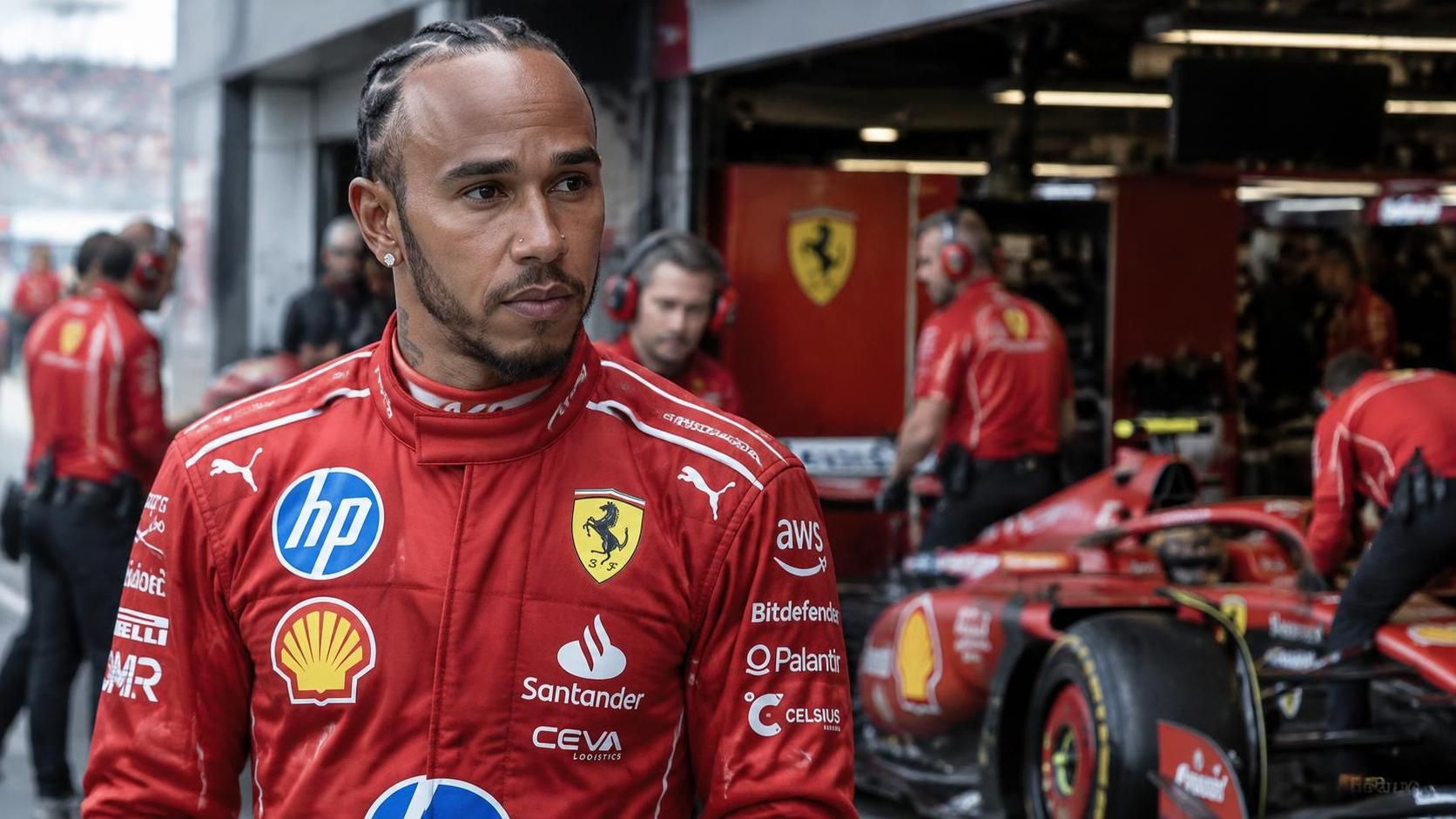
Hamilton said the Ferrari felt strong before the team asked him to stop. He praised the setup changes and described the car as well balanced. His middle sector felt strong, yet power loss affected parts of his lap. He estimated that the issue cost about three tenths and regretted losing track time.
That interruption left Hamilton with less data before the grid shootout. He still felt Ferrari could compete, though he could not predict rivals’ pace gains. The team must weigh its promising balance against the straight-line gap. For Hamilton, the central question remains whether Ferrari can turn pace into a clean session; recent F1 volatility gives every detail extra weight.


