
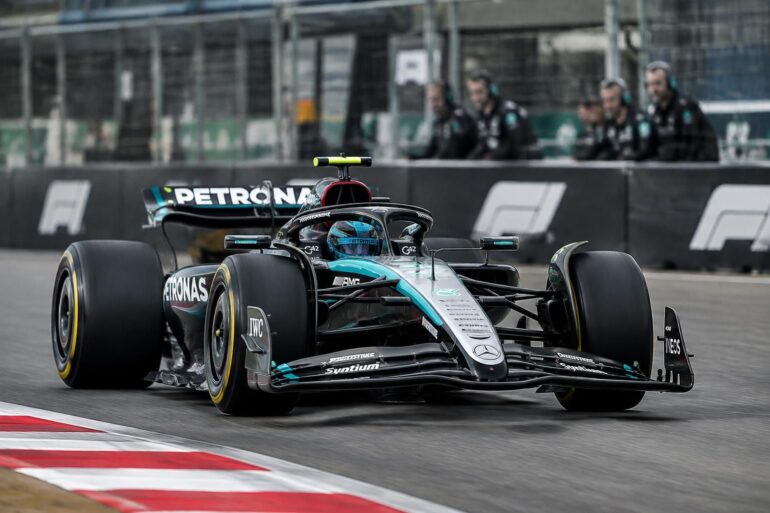

You can see George Russell trust his gut at a decisive moment in Mexico City. His final Q3 lap put him second, just nine thousandths behind Lewis Hamilton. That result offered a vivid glimpse of a remarkable turnaround in his season.
Russell said a late tactical shift helped unlock that lap at the Autódromo Hermanos Rodríguez. His gut instinct shaped the call, despite Mercedes’ preference for an extra tyre preparation lap. The result renewed focus on his performance and possible career resurgence. Read more about Russell’s views on team decisions.
Russell’s Mexico City lap and the late switch
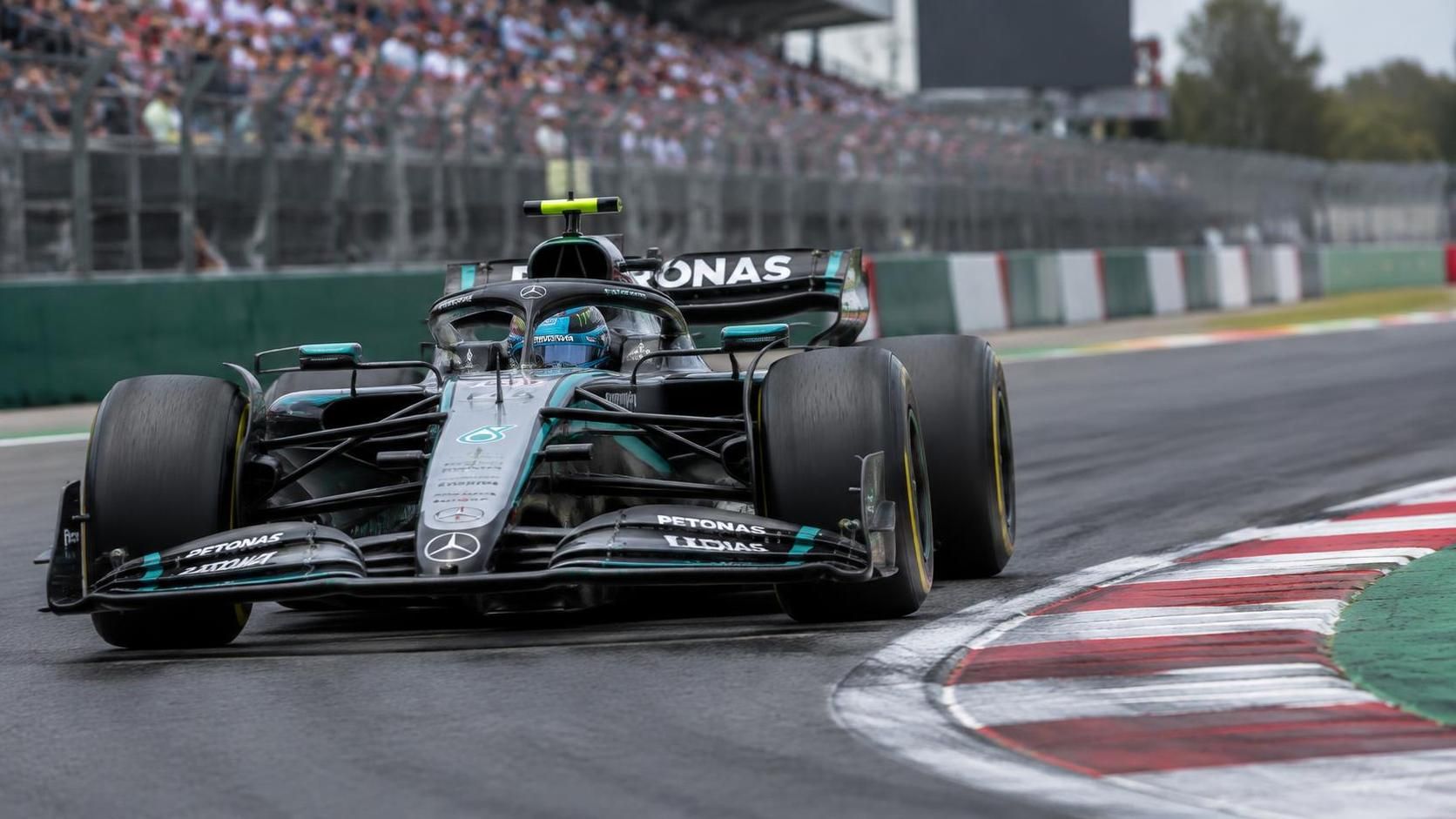
Russell clocked 1:16.523 in Q3 and secured second place on the grid. His final lap came together after a weekend with few signs of a top-three fight. Hamilton took pole by 0.009 seconds. Charles Leclerc, Kimi Antonelli and Max Verstappen sat behind Russell. His comments on Verstappen’s pace add context.
Russell said his earlier laps had not put him near the front. He described a season of sharp swings, not steady progress. A single clean lap changed the picture in the final moments of the session. Yet he could not pinpoint why that lap felt so strong.
“I’d love to know exactly why,” Russell said after the session. His words captured both relief and frustration. The result showed his speed was there, even as consistency proved elusive. The front-row start gave Mercedes a clear result to build upon.

The Mercedes tyre call behind Russell’s result
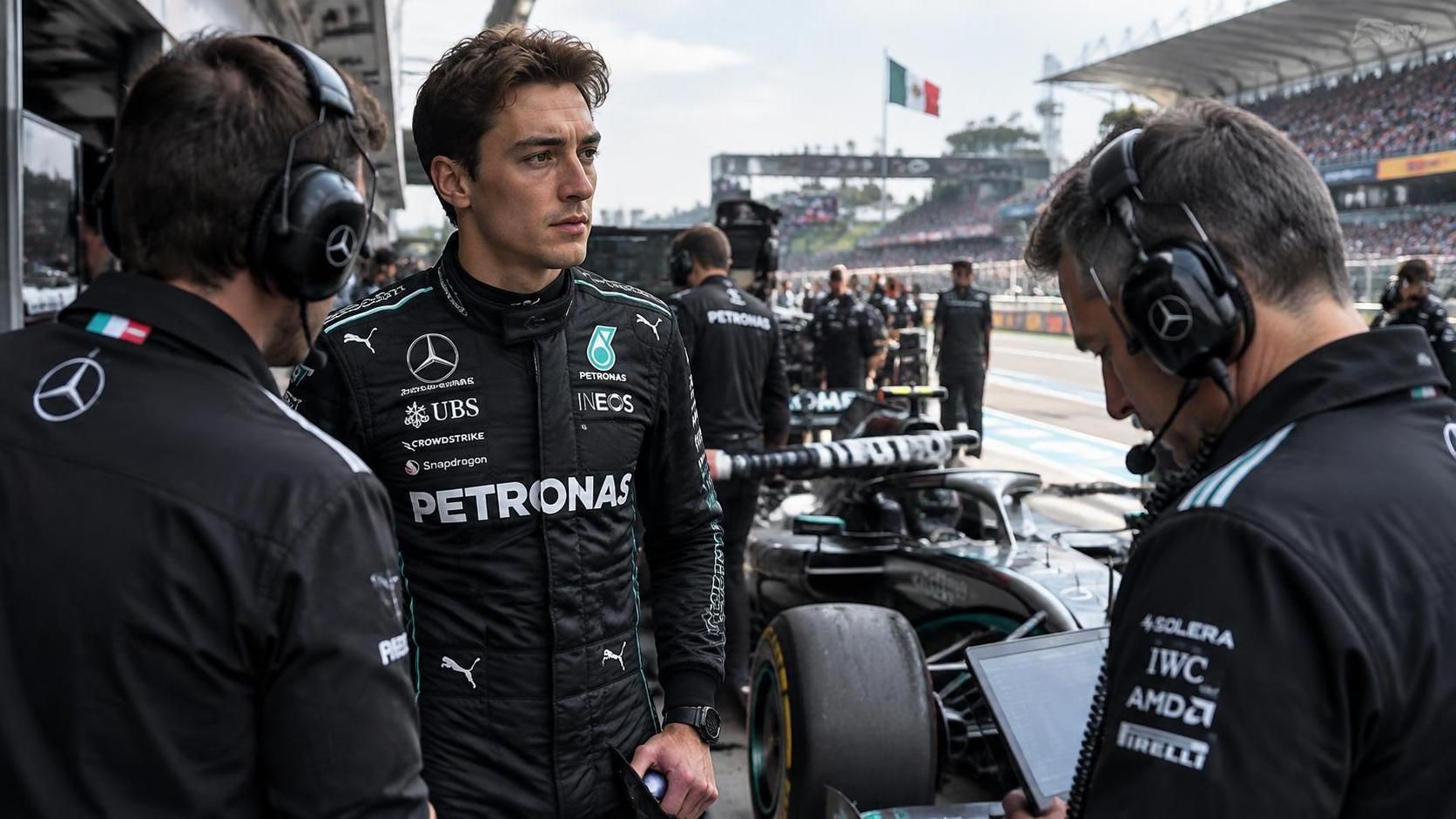
The key change came in the final Q3 run: Russell wanted to skip the extra prep lap. His gut instinct favored one lap, while Mercedes preferred a tyre warm-up lap first. Lewis Hamilton, Charles Leclerc and Verstappen had skipped that extra lap. Russell’s team chose its own plan, which left fuel for another lap onboard.
Russell noted that the fuel difference exceeded his gap to pole. That tiny margin sharpened the debate over the team’s call, though he did not claim pole was certain. He said hindsight made the alternative tempting. His second-place start still marked a welcome result after a difficult run.
The exchange revealed the close link between driver instinct and team procedure. Formula One rewards precise calls, but no single choice explains every lap. Russell said he never doubted his own ability. He wants to understand why this season has brought less consistent results.
His Mexico City performance also came against a strong Mercedes teammate. Antonelli had looked quicker than Russell in recent races, a trend Russell had struggled to reverse since Baku. This result restored a measure of balance between the pair. It also placed Russell ahead of Antonelli on the grid.

What the result means for Russell’s season
Russell called the weekend’s front-row result a rare high point in an inconsistent campaign. The lap offered fresh evidence of the pace he believes he retains. It did not erase the season’s uneven form. Instead, it gave him a concrete example to study.
He said the main challenge was finding how to repeat such performance. Consistency now defines the task more than a lack of confidence. That distinction matters for a driver seeking a career resurgence. His Mexico City lap gave him a useful reference, not a complete answer.


