


F1 aims for carbon neutrality by 2030, but it’s easier said than done.
Formula 1 is moving fast, really fast, towards a greener future. The F1 sport’s goal is to reach carbon neutrality by 2030. However, behind the bold announcements, several challenges could slow down this race.
Spectacular progress toward carbon neutrality
According to its latest report, Formula 1 has already cut its emissions by 26% since 2018, dropping from 228,793 to 168,720 tons of CO2. To meet its neutral carbon target by 2030, F1 is betting on a range of initiatives.

It starts with grouping Grand Prix events geographically to reduce travel. Then, factories are switching to renewable energy sources. Add to that trucks running on biofuel and massive investments in sustainable fuel.
Starting in 2026, the new rules state that all cars will be equipped with next-generation hybrid engines that run 100% on sustainable fuel. This breakthrough could also benefit everyday cars.
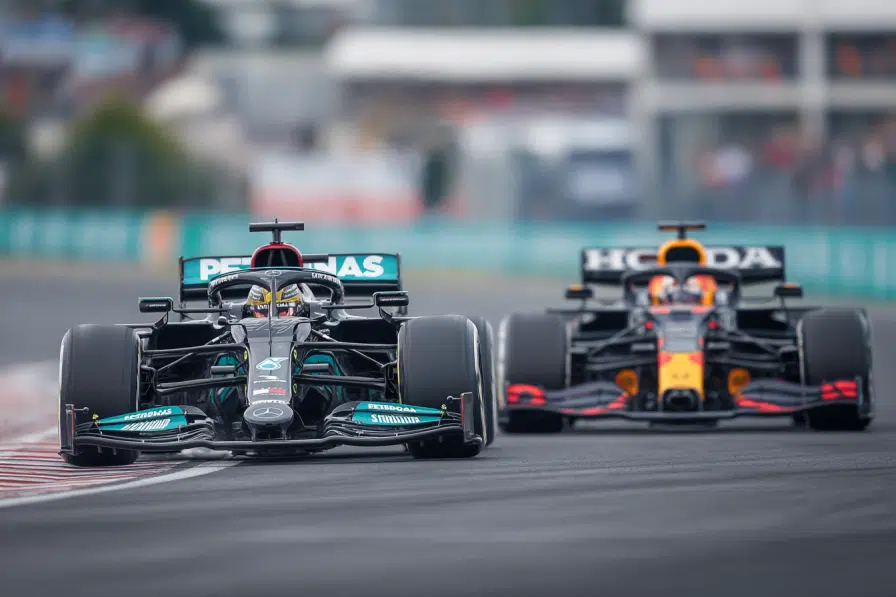
Even logistics are evolving to fit the carbon neutrality plan by F1 before 2030. For example, new containers designed for more efficient airplanes, increased use of maritime freight, and remote broadcasting studios to cut down on travel.
Stefano Domenicali, F1 president, praises these efforts. He sees proof that performance and sustainability can coexist. But the road ahead remains full of hurdles.
What challenges lie ahead of F1 for the zero-carbon goal by 2030?
While the zero-carbon plan seems on track, several issues spark debate. First, data collected from F1 Technical says that the calendar is expanding to 24 races per season. Moreover, spectator numbers have grown from 4 to 6.5 million in six years. This naturally leads to more travel and resource consumption.
Second, part of the 2030 carbon neutrality strategy of F1 relies on carbon offsetting. They plan to neutralize unavoidable emissions through programs like reforestation. Yet, many question the long-term effectiveness of these measures.
Finally, the widespread introduction of sustainable fuels will depend on their large-scale availability and adoption beyond the racetrack.