
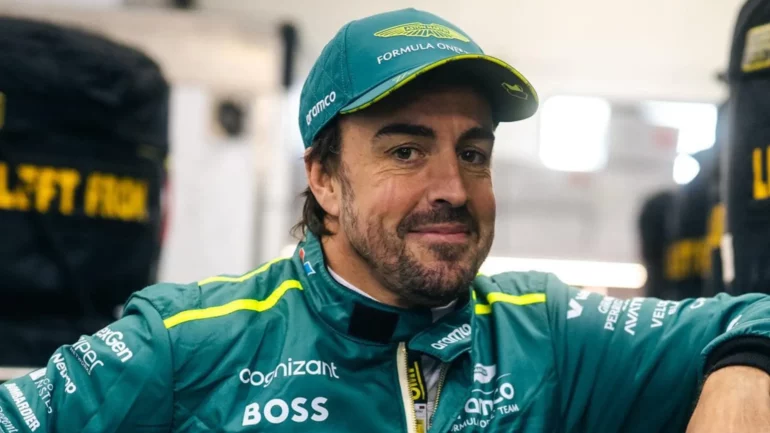

Ground-effect cars are reaching the end of the road. Teams feel their limits. Drivers want their freedom back. The current era has delivered speed, but also frustration. Now, the grid senses a shift coming.
As the 2026 regulations approach, Formula 1 is preparing for a major reset. Drivers like Alonso welcome machines that allow closer racing and more natural control. Engineers are already anticipating simpler aerodynamics and fewer unpredictable stints. The sport is ready to turn the page on ground-effect—and reclaim what many believe F1 should feel like.
The challenges of ground-effect cars in modern Formula 1 racing
Since ground-effect cars returned to Formula 1 in 2022, the goal was to boost performance—especially in close racing—by generating stronger downforce through the floor. In theory, this was meant to help drivers follow more closely and create more overtaking chances, but the results have been uneven. Higher cornering speeds came with new challenges rather than straightforward benefits. The promise of better racing has proved far more complex than anticipated.
Fernando Alonso has been vocal about these limitations, describing the cars as heavier, harder to manage, and at times physically draining. Issues like porpoising, unpredictable airflow, and persistent “dirty air” have restricted overtaking, with pole-position starters winning the majority of races in 2025. As teams converge in performance and the field tightens, race pace differences shrink, leading to more processional racing. Alonso and other top drivers now underline the struggle to balance technological ambition with comfort, safety, and the quality of on-track battle.

Why Alonso and Peers are prepared to embrace the end of the ground-effect era ?
As Formula 1 prepares to introduce a new wave of regulations in 2026, Fernando Alonso and several of his rivals are ready to bid farewell to ground-effect cars. This transition is driven by multifaceted reasons concerning both technical progress and sporting quality.
The coming shift brings lighter, smaller cars and a rebalanced power unit that blends electric and combustion energy more evenly. Although these new machines are expected to be slower, drivers like Alonso acknowledge the trade-off between raw speed and improved drivability. Their mixed feelings highlight both appreciation for the current cars’ pace and frustration with their limitations.
Many drivers argue that today’s ground-effect cars, with their extreme ride heights and sheer size, reduce enjoyment behind the wheel by making overtaking more difficult and increasing physical strain. Verstappen has echoed this, citing discomfort and limited slipstreaming as evidence that the current regulations fall short of delivering exciting, close racing. As teams prepare for the upcoming reset, they face development and reliability challenges under the new rules. Yet for Alonso and others, the promise of more natural racing and cleaner battles makes the end of the ground-effect era a welcome evolution.
The future of F1: balancing performance, strategy, and fan engagement
The transition away from ground-effect cars is also a strategic shift to re-energize the spectacle of Formula 1. Despite advancements in aerodynamics and power units, racing has become somewhat predictable, a point highlighted by the dominance of poles translating directly into race wins. This trend challenges the core excitement of motorsport and prompts both drivers and fans to crave more dynamic action.
Looking ahead, the 2026 regulations aim to reduce dirty air problems, encouraging closer racing and improved overtaking, which could restore a level of unpredictability. This would not only satisfy driver preferences but also enhance fan engagement worldwide, reinforcing Formula 1’s position as the pinnacle of motorsport.
There is some skepticism, though. Drivers like Charles Leclerc have expressed reservations about the new car designs, calling them less enjoyable based on simulator tests. Nonetheless, optimism remains, as figures like George Russell welcome the move toward smaller, faster, and more electrified machines, heralding a new era of race strategy and engineering ingenuity.
How teams adapt their development pathways and race-day tactics under these evolving conditions will be crucial. The delicate balance between motorsport safety, technical innovation, and competitive spectacle is at the heart of the sport’s future. Alonso’s readiness to “say goodbye” to the current ground-effect generation underscores a broader narrative that innovation must align with the drivers’ and fans’ desires to sustain Formula 1’s global appeal.


