
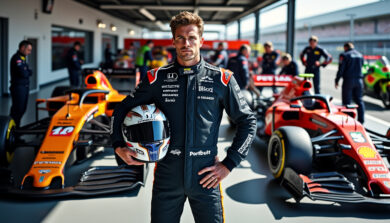
The motorsport realm is in for an electrifying shift! Former Haas boss Guenther Steiner has set his sights on an exhilarating new journey in MotoGP. He’s not just changing teams; he’s revitalizing his career and embracing fresh challenges.
Steiner’s recent transition to the Tech3 team has sparked excitement across the paddock. Leadership, innovation, and a thirst for competition are central to his new role. With a rich history in various motorsport disciplines, Steiner is breaking the mold once again. This leap marks a fascinating chapter that intertwines the worlds of two high-octane sports.
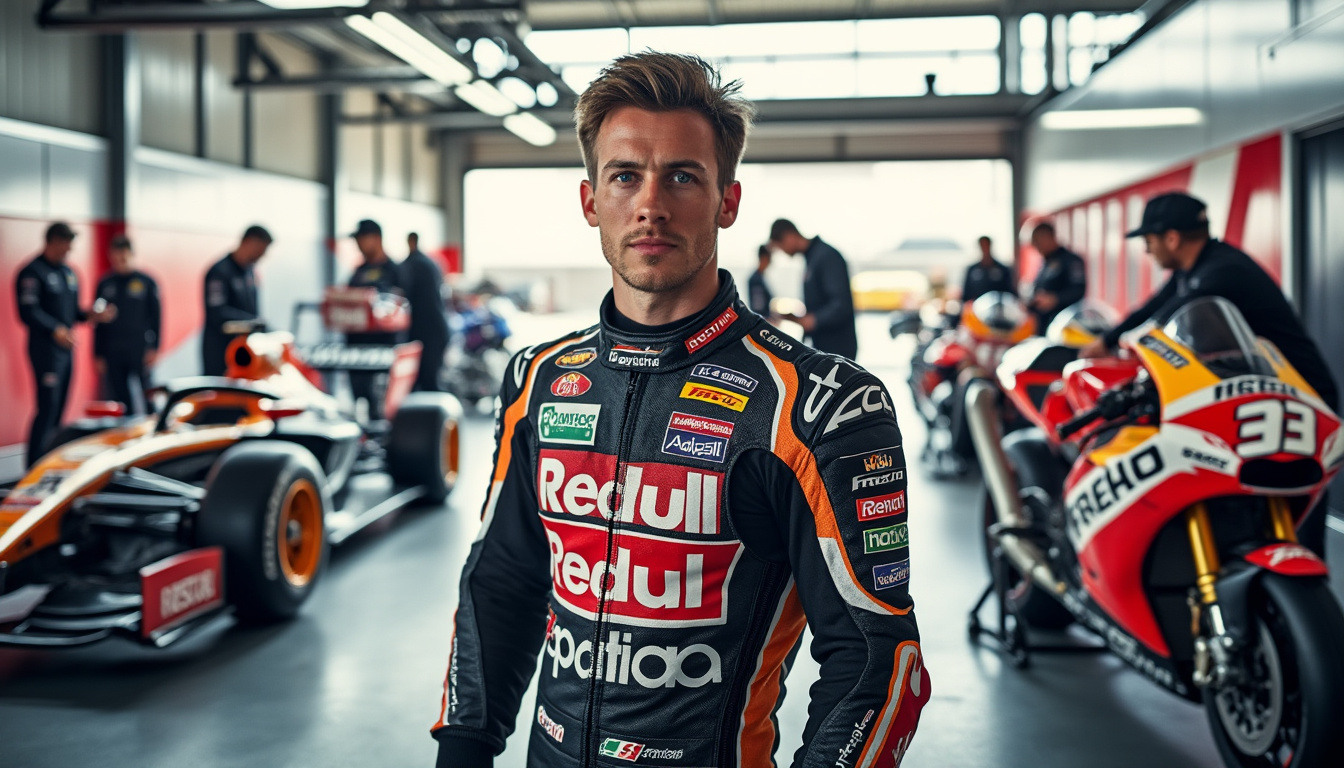
Guenther Steiner, renowned for his tenure as the team principal of Haas, has made headlines once again—not for a potential return to the glamour of Formula 1, but rather for stepping into the exciting world of MotoGP ownership. This shift has piqued the curiosity of motorsport fans and analysts alike, prompting numerous questions about his motivations and the implications for both MotoGP and Formula 1. His recent acquisition of the Tech3 MotoGP squad, alongside his business partner Richard Coleman, marks a significant career pivot that showcases a desire for new challenges rather than retracing his steps back to the F1 paddock.
Having solidified his reputation in Formula 1, Steiner’s decision to embark on this fresh journey into MotoGP can be traced to his relentless pursuit of innovation and personal growth. After being at the forefront of Haas’s development, there’s a palpable sense of wanting to diversify his motorsport portfolio. While many expected him to secure another role in the high-octane world of F1—especially with the strategic power plays ongoing within the sport—Steiner instead opted for an environment that promises new learning experiences and opportunities.
The allure of MotoGP, a realm he admits to having always been curious about yet never had time to explore, has proven irresistible. He remarked, “I always like new challenges.” This sentiment speaks volumes about his approach to motorsport management. Steiner’s career began with rallying in the 1980s and extended through multiple disciplines, including his involvement with Red Bull’s NASCAR venture. By taking charge of Tech3, he not only branches out into a new arena but does so with a firm belief that “Formula 1 is fantastic, but it’s not the only thing you can do in motorsport.”
what influenced steiner’s decision to choose motogp over f1?
Steiner’s choice to transition from Formula 1 to MotoGP was influenced by a combination of personal and professional factors. The competitive landscape of Formula 1 has undergone dramatic changes in recent years. Teams are continuously striving for dominance, leaving little room for creative experimentation or significant deviations from established paths. Steiner noted, “I’ve done it, I’ve been there long enough,” suggesting a fatigue with the relentless pressure that comes with chasing results in Formula 1.
The personal aspect cannot be understated either. After parting ways with Haas at the end of 2023, Steiner found himself at a crossroads. Instead of returning to the familiar environment of F1, which offered several job opportunities, he opted for a role where he could exercise complete autonomy over decisions and direction. As Coleman articulated, “we just wanted to do something that was very much on our terms, that we had full control over.” This shift embodies a significant strategic choice—one not merely looking for prestige but rather valuing independence and the chance to shape a team’s future.
Additionally, the recent upheaval in F1, including shifts in team management and the increasing concentration of power among a few dominant teams, may have played a part in pushing Steiner toward MotoGP. The prospect of building something new from a grassroots level—particularly being involved in a project with potential for growth and excellence—appears to have had a magnetic pull. In this sense, Steiner’s transition can be viewed not as a retreat but as a calculated step toward pursuing a more satisfying and fulfilling professional path.
how does steiner view his new role in the motogp landscape?
Diving into the MotoGP scene, Steiner’s objectives are marked by a mix of ambition and realism. As he transitions to the role of CEO in 2026, his perspective is rooted in a desire to cultivate a competitive team rather than merely “making up the numbers.” With the subsequent appointments of Coleman as team principal and himself in a leadership role, the duo arrives with a clear vision for the Tech3 squad amidst the prestigious paddock.
Steiner expressed excitement about the potential within MotoGP. “Looking at it like a five-year horizon, we’re pretty excited as to what we think we can do in this paddock,” he remarked. His vision aligns with the structure of team management where they plan to proceed with total humility while recognizing that success requires time and learning. Notably, he has emphasized the importance of building a foundation based on knowledge accumulation and competence rather than merely chasing short-term victories.
This indicates an eagerness to provide a fresh perspective within MotoGP, which has evolved significantly in terms of competitiveness and technology in recent years. The dynamic spirit and unpredictability of motorcycle racing present a new challenge, perhaps more conducive to innovation, than the increasingly formulaic nature of F1 racing. As Steiner embraces this new exacting role, there’s anticipation surrounding how his strategies will innovate the current landscape.

what are the potential benefits of steiner’s move to motogp?
Steiner’s venture into MotoGP holds a myriad of benefits that can reshape perceptions of his career trajectory. First and foremost is the opportunity for personal development and broader impact in the motorsport industry. Following his successful stint in Formula 1, he brings a wealth of experience and practices conducive to a competitive environment. From structuring teams to managing driver relationships, the skills he’s honed could lead to significant breakthroughs for Tech3 and MotoGP as a whole.
Secondly, MotoGP represents a vibrant and evolving landscape. With diversified fan engagement and the rise of younger talents, the sport offers fresh narratives that can be thrilling to explore. Steiner’s involvement could help amplify this excitement, especially as new regulations emerge and reshape the series. His leadership style, characterized by direct communication and creative problem-solving, has the potential to unlock new avenues for team performance and visibility.
Furthermore, MotoGP is often seen as a bridge to a more diverse motorsport audience. By taking the helm at Tech3, Steiner has the chance to engage with fans who appreciate the intricacies of motorcycle racing. It could also open doors to collaboration and synergy between F1 and MotoGP, as both series continue to grow and attract global viewership. In a world where motorsports are becoming more interconnected, Steiner’s role allows him to influence beyond just two-wheeled racing and contribute positively to the entire ecosystem.
Finally, there’s the prospect of fostering new talent. MotoGP currently serves as a launching pad for future stars in the motorsport realm. By providing the necessary resources and creating a competitive team environment, Steiner’s leadership could play a pivotal role in nurturing the next generation of racing champions, forever changing the future of the sport.
Amidst this profound transition lies a thrilling narrative of adventure, growth, and renewed passion for motorsport. Guenther Steiner’s journey into MotoGP isn’t merely about shifting teams; it’s about embracing a spectrum of untapped opportunities waiting just around the bend.